
- Save the Date:
Fri, Mar 13 | Opening Reception
Friday, March 13, 2026
6:00 p.m. – 8:00 p.m.
About the Exhibition
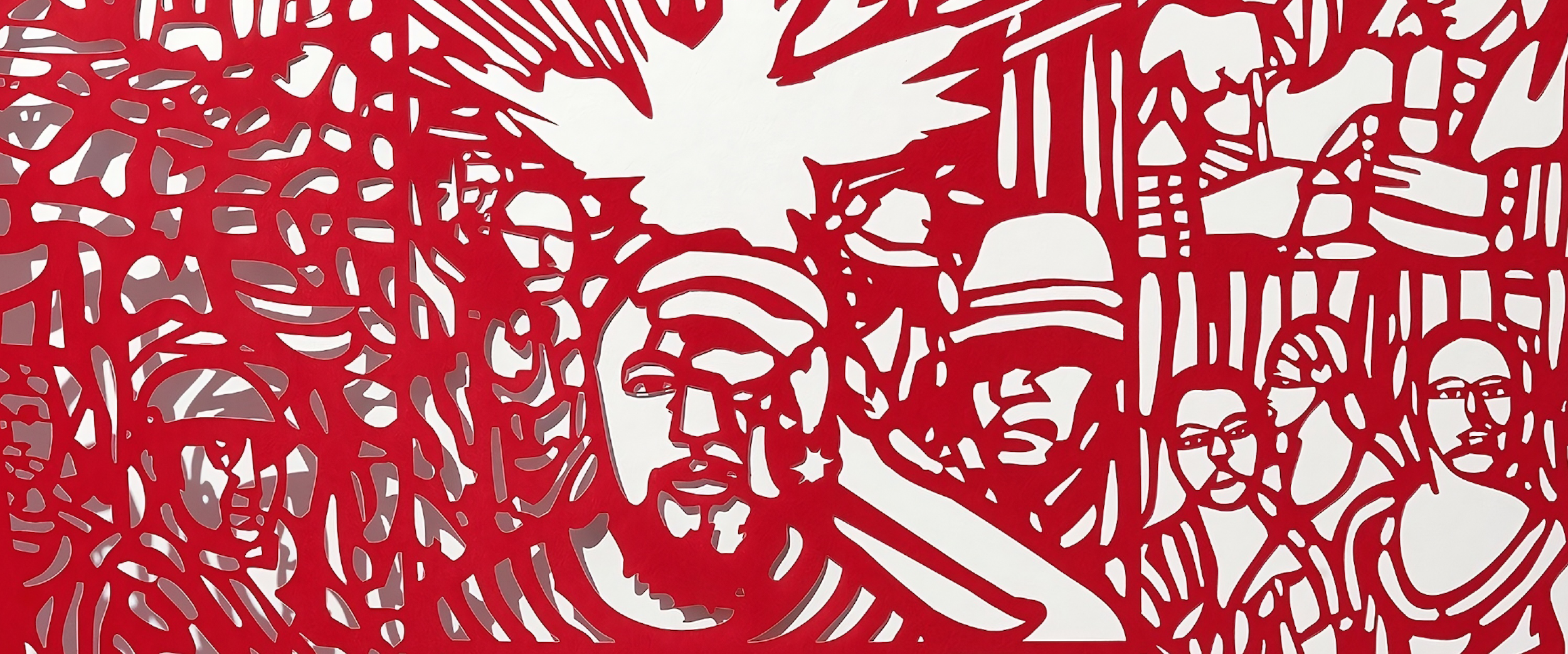
A selection of works by renowned Chinese artist and activist Ai Weiwei, whose practice seamlessly merges art and activism. Known for transforming traditional materials and forms into incisive contemporary statements, the artist addresses urgent themes of power, freedom, individuality, and social justice.
At the core of the exhibition is the idea of subtlety as a form of resistance: Ai Weiwei’s work often employs precision, craftsmanship, and beauty to provoke reflection and challenge authority. Drawing on historical techniques and cultural motifs, the exhibition reveals how elegance and restraint can carry profound political and social meaning.
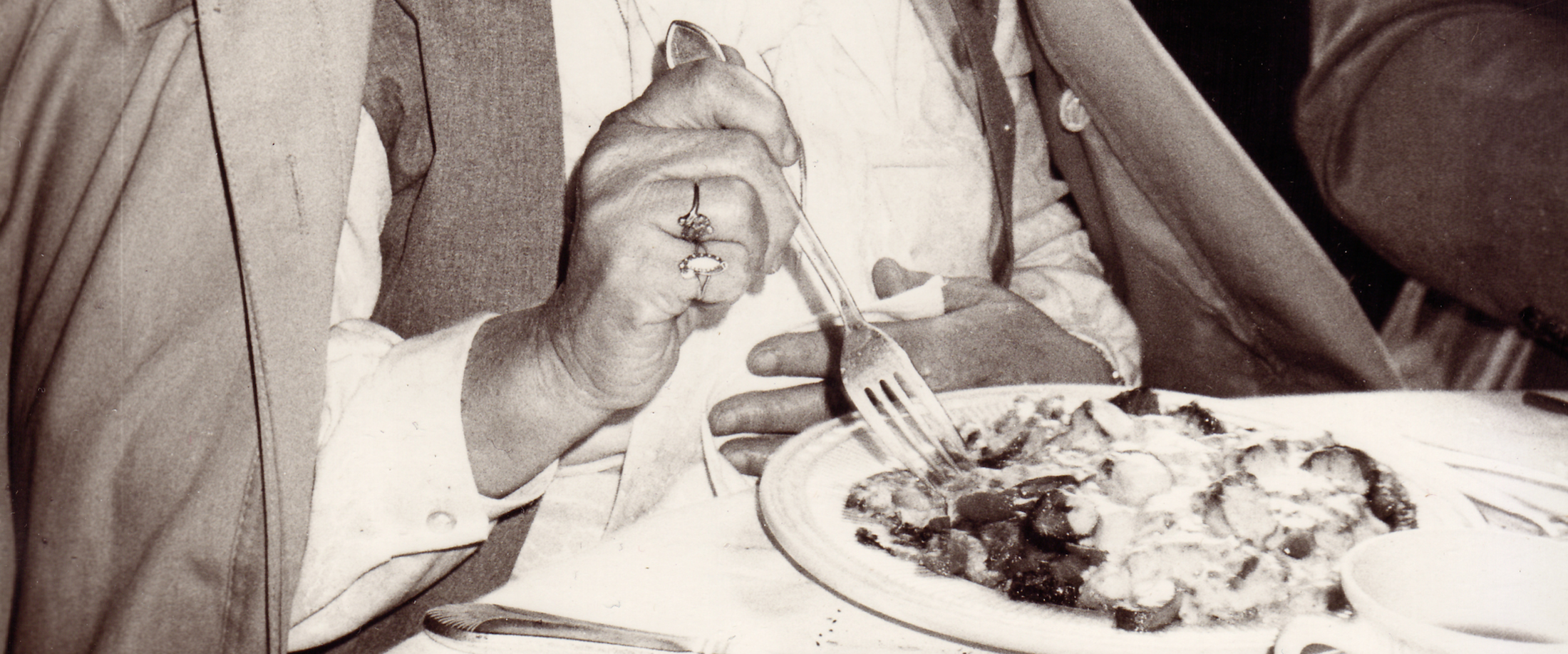
Highlights include the complete Papercut Portfolio (2019) of eight intricately crafted works inspired by the ancient Chinese art of jiǎnzhǐ, as well as excerpts from the iconic installation Kui Hua Zi (2008), composed of thousands of handcrafted porcelain seeds that explore mass production and individuality. Additional works include selections from Study of Perspective (2008) and The Artist’s Hand (2017).
Ai Weiwei is a multifaceted artist and activist, recognized not only for his artistic achievements but also for his deep engagement with political and humanitarian issues. Born in Beijing in 1957 to renowned poet Ai Qing, Ai’s early life was shaped by the political turbulence in China, which greatly influenced his later work. His father’s persecution during the Cultural Revolution led to Ai’s family being exiled to remote Xinjiang, an experience that cultivated his awareness of state oppression and individual suffering.
After studying at the Beijing Film Academy, Ai moved to New York in the 1980s, where he absorbed the influences of Western art and conceptualism, attending Parsons School of Design and becoming involved in the downtown avant-garde scene. His return to China in the 1990s marked the beginning of his profound influence on contemporary art, with early works like Dropping a Han Dynasty Urn (1995) illustrating his challenge to traditional values and authority. Ai’s oeuvre spans a wide range of media, including architecture, sculpture, photography, and film.
He is renowned for his collaborations with Herzog & de Meuron on iconic architectural projects like the 2008 Beijing Olympic Stadium (known as the “Bird’s Nest”) and the 2012 Serpentine Pavilion in London, which reflect his interest in design and public space. His artwork often critiques governmental power, surveillance, and human rights abuses, as seen in his investigation into the Sichuan earthquake in Straight (2008–12) and Remembering (2009), which drew attention to the poor construction of schools that collapsed, killing thousands of children.
Ai’s activism extends beyond China’s borders, with his projects addressing global issues such as migration and displacement. His large-scale installation Law of the Journey (2017), featuring a massive inflatable boat filled with faceless refugee figures, and his documentary Human Flow (2017) examine the ongoing refugee crisis and question global responses to human suffering. These works highlight his commitment to raising awareness about the vulnerable and displaced.
Despite his global acclaim, Ai’s political dissent has come at a personal cost. In 2011, he was detained by Chinese authorities for 81 days, an ordeal that underscored his role as a target of state surveillance and repression. Even in the face of such challenges, Ai remains a staunch advocate for free speech and human rights, consistently using his platform to speak out against injustice.
His receipt of awards like the Václav Havel Prize (2012) and Amnesty International’s Ambassador of Conscience Award (2015) acknowledges both his artistic achievements and his courage in standing up for those silenced by oppressive regimes.
Currently residing in Portugal, Ai Weiwei continues to influence the global art world while using his work to address urgent social issues. His unique ability to merge art with activism has made him one of the most important and thought-provoking figures in contemporary culture, whose legacy transcends art and extends into politics, human rights, and social justice.
Exhibition Hours
Tuesday through Friday
12:00 p.m. – 5:00 PM, or by appointment
During stage presentations
Open 1 hour prior to start time
Parking
Parking is available on the top deck of Structure C, located directly in front of The Luckman.
Daily guest permits can be purchased at physical pay stations located in pay lots and through the PayByPhone App. These permits are virtual and require vehicle plate information.
1 hour: $3.00
4 hours: $5.00
All day: $10.00
If using PayByPhone, the location number for Structure C, Top level, is 4129.