
Grasses (Poaceae family) are one of the most common groups of plants on earth.
They dominate about 40% of terrestrial surfaces and are found on all continents, including Antarctica! This family is hugely diverse, spanning crops important to the food industry such as cereal and forage grasses, diverse and ecologically important grasses that make up ‘savannahs’ in Africa, ‘steppes’ in Europe and Asia, ‘prairies’ in North America, and the ‘Cerrado’ in South America, but also bamboos! Grasslands are also the most threatened and least preserved ecosystems on Earth, often converted to farmlands to provide food for the growing human population.
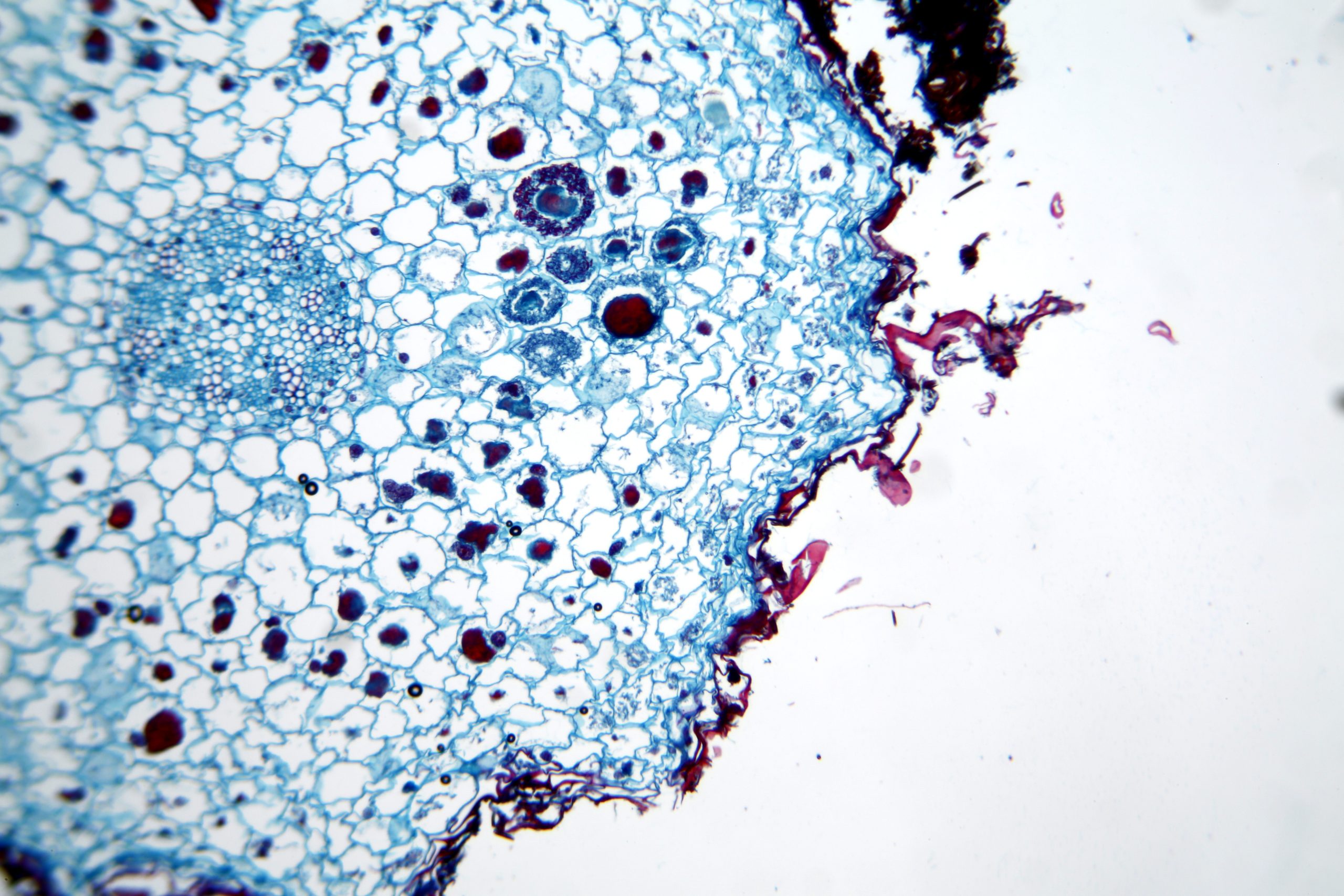
Cutting-edge research by the Scoffoni Lab at Cal State LA is investigating the drought resilience of this family of plants. Part of their evolutionary success can be attributed to the diversity of their photosynthetic pathways. Specifically, grasses performing C4 photosynthesis are more efficient at converting CO2 into sugars and use less water than grasses, performing the more ancestral C3 photosynthesis pathway. Through their National Science Foundation-funded research, Scoffoni and Boisseaux seek to investigate the hydraulic basis behind these two photosynthetic strategies, which is crucial in understanding how resilient grasses can be in response to climate change.
Antía Iglesias in conversation with Marion Boisseaux and Scoffoni Lab
Curated by Antía Iglesias and Marion Boisseaux
This exhibition is made possible, in part, by support from the National Science Foundation, the Institute of International Education, the Fulbright Scholars Program, which is sponsored by the U.S. Department of State, and Cal State LA’s Scoffoni Lab.

- Upcoming Events:
Read more
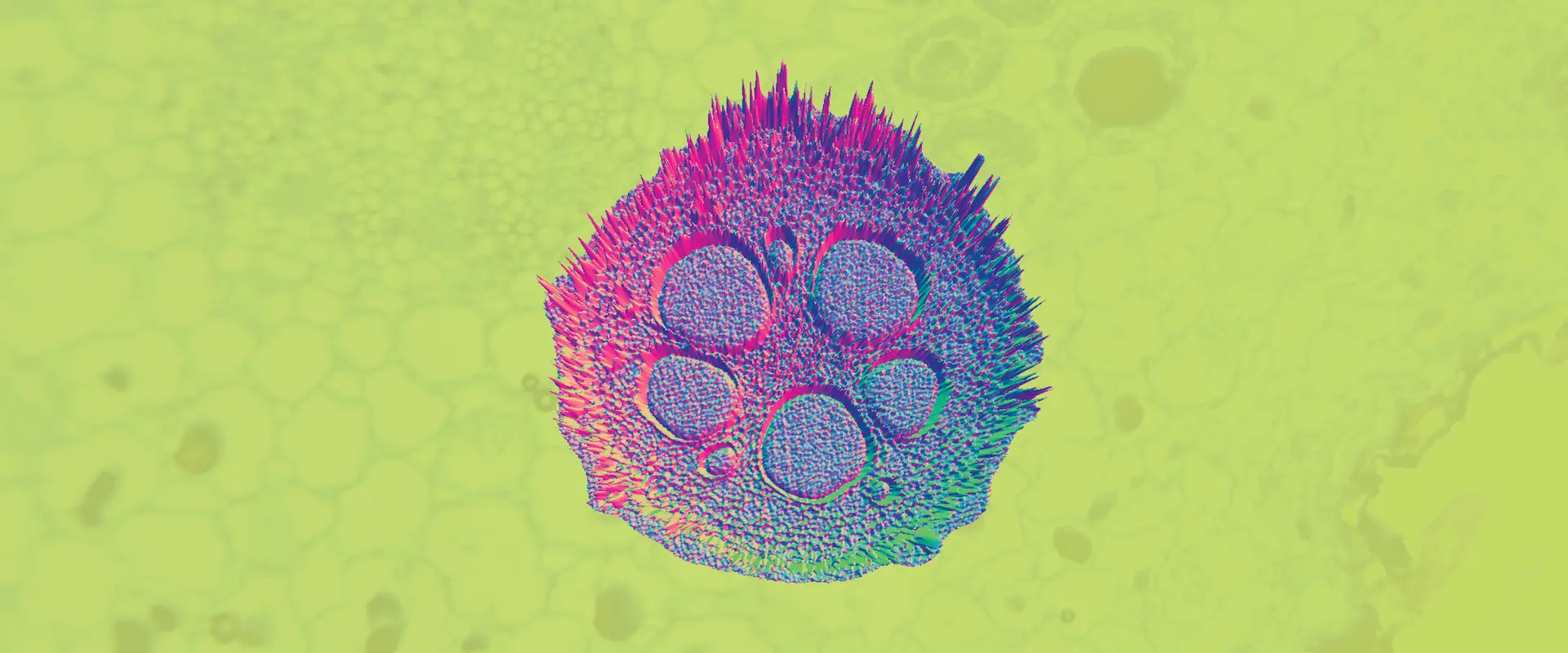
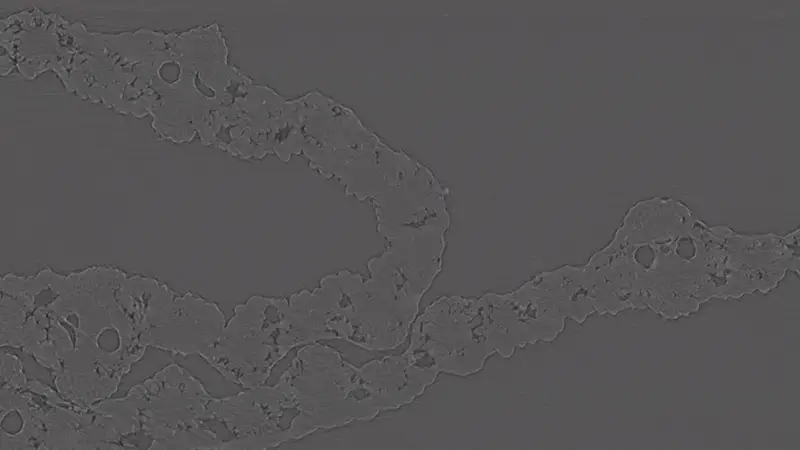
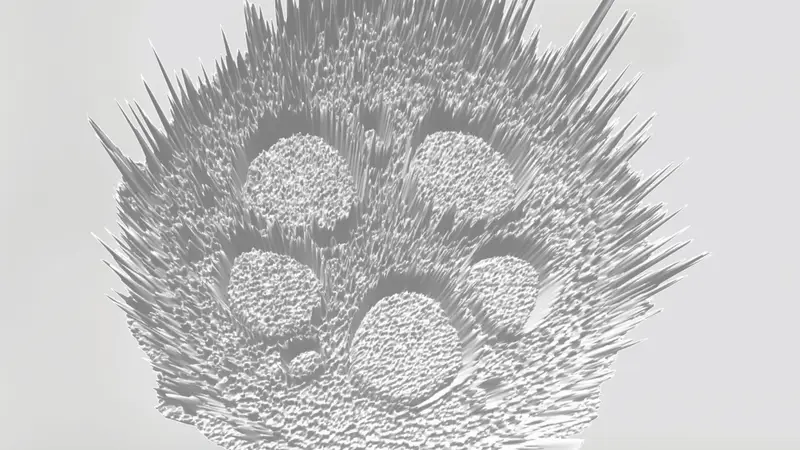
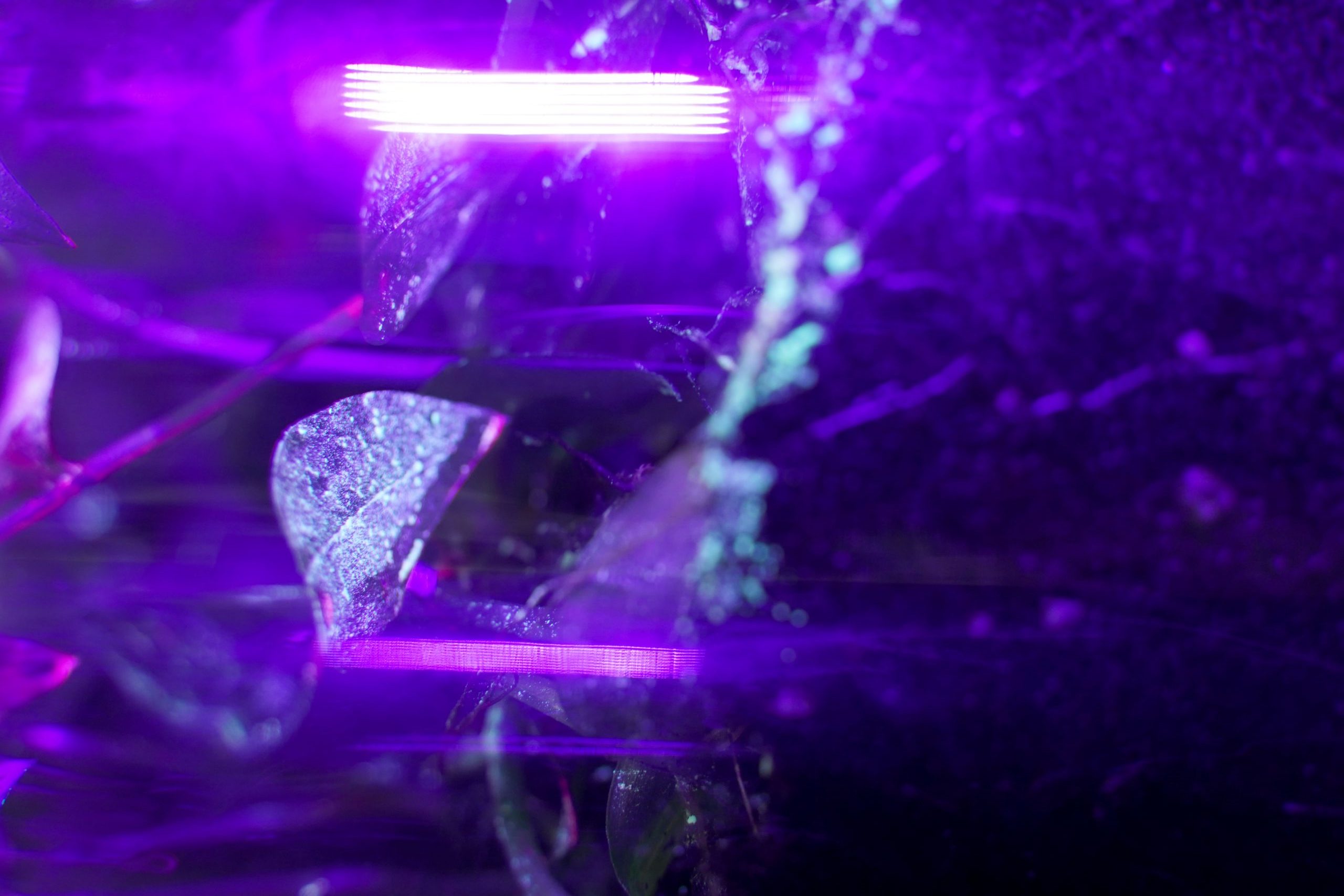
Artist Antía Iglesias has created a body of artworks directly inspired by the scientific data from the Scoffoni Lab. These artworks involve living plants to illustrate the scientific principles under investigation. By intertwining the literal and the poetic, the natural and artificial, the cultural and the scientific, Iglesias invites you into an environment that reflects the interconnectedness of life. Using artistic languages that range from the purely scientific, such as X-ray microcomputed tomography (micro-CT scans), to the abstraction of contemporary sculpture, Iglesias illustrates the complex dance of light and water that make up the invisible life processes of Poaceae. Through these artistic interpretations, the interconnectivity of human and non-human systems emerges into the light.
In a world threatened with famine, ecological destruction, wildfires, and more, it is crucial that we understand as much as we can about one of the most common plant families on this planet. With all its great diversity, the Poaceae family has lessons to teach us yet about survival, adaptation, and even ourselves.
EXHIBITION CATALOG
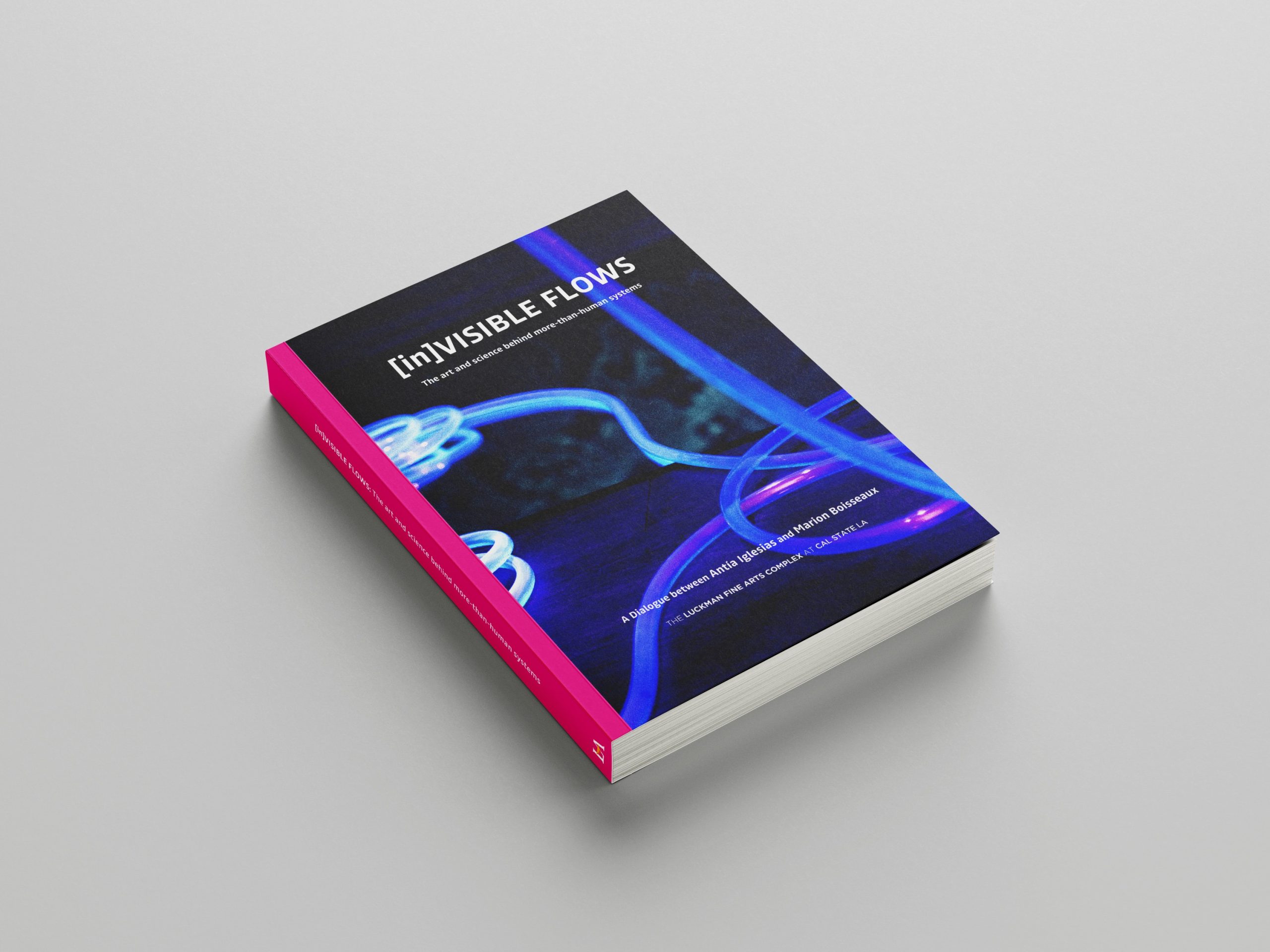
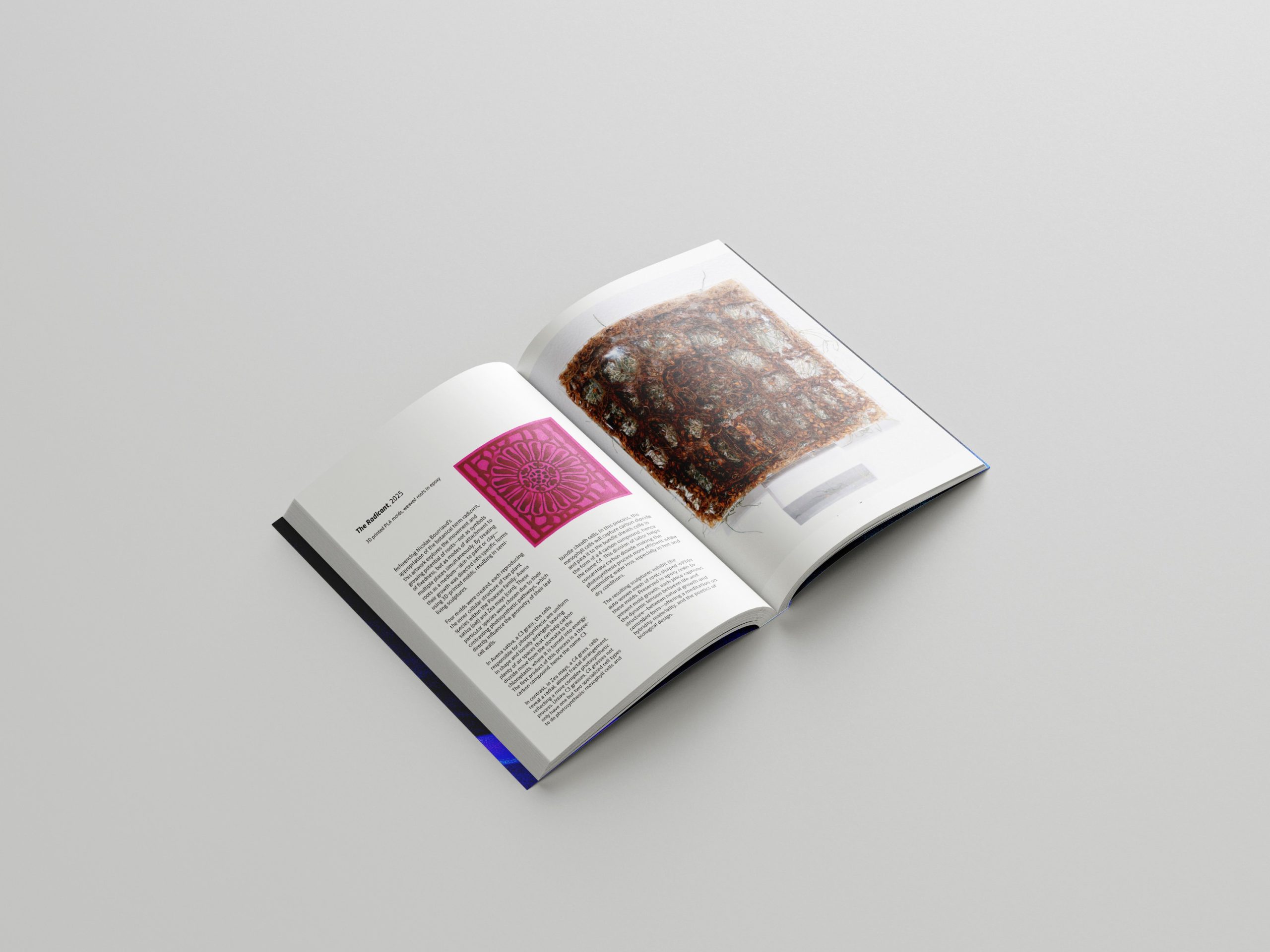
This limited-edition, bilingual (English/Spanish) softcover catalog spans over 100 pages and features full-color installation and artwork photographs, accompanied by insightful curatorial texts.
We are experiencing delays, and orders are not being accepted at this time.
Once available, catalogs will be available for purchase here. If you would like to be informed when orders resume, please submit your information below.
- Past Events:
Wed, Apr 30 | Earth Day and Talking Circle (Past Event)
Artist Talk
Friday, April 11, 2025
3:00 p.m.
Conversation between Antía Iglesias and Marion Boisseaux, with remarks by Christine Scoffoni. The event is open to all. No registration is required.
Fri, Apr 11 | Artist Talk (Past Event)
Artist Talk
Friday, April 11, 2025
3:00 p.m.
Conversation between Antía Iglesias and Marion Boisseaux, with remarks by Christine Scoffoni. The event is open to all. No registration is required.
Thu, Apr 10 | Opening Reception (Past Event)
Opening Reception
Thursday, April 10, 2025
4:00 p.m. — 7:00 p.m.
The event is open to all. No registration is required.
Exhibition Hours
Tuesday through Friday
12:00 p.m. — 5:00 p.m.
During stage presentations
Open 1 hour prior to start time
This exhibition will also be open on Saturday, June 7, from 12:00 p.m. until 5:00 p.m.
Parking
Parking is available on the top deck of Structure C, located directly in front of The Luckman.
Daily guest permits can be purchased at physical pay stations located in pay lots and through the PayByPhone App. These permits are virtual and require vehicle plate information.
1 hour: $3.00
4 hours: $5.00
All day: $10.00
If using PayByPhone, the location number for Structure C, Top level, is 4129.