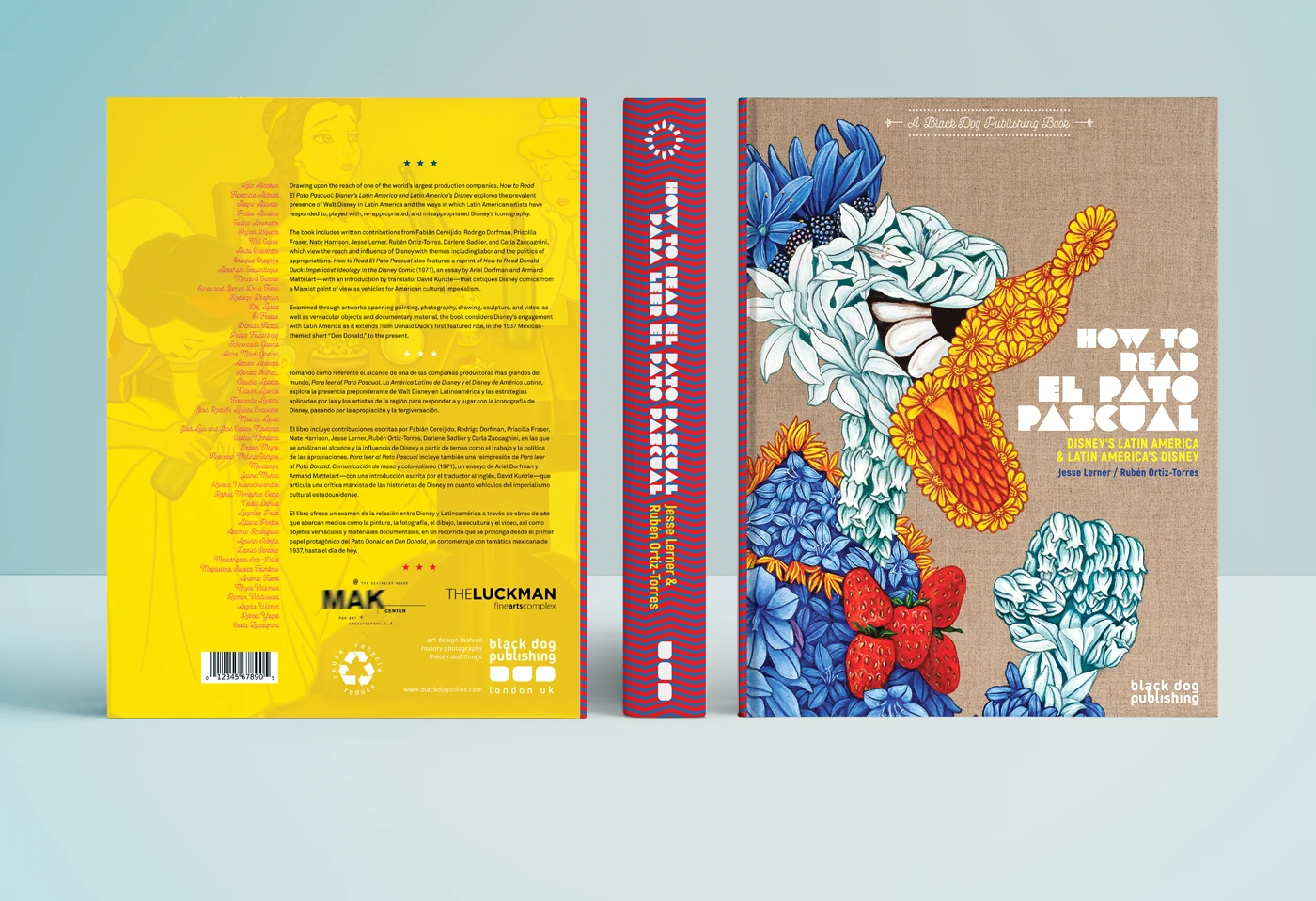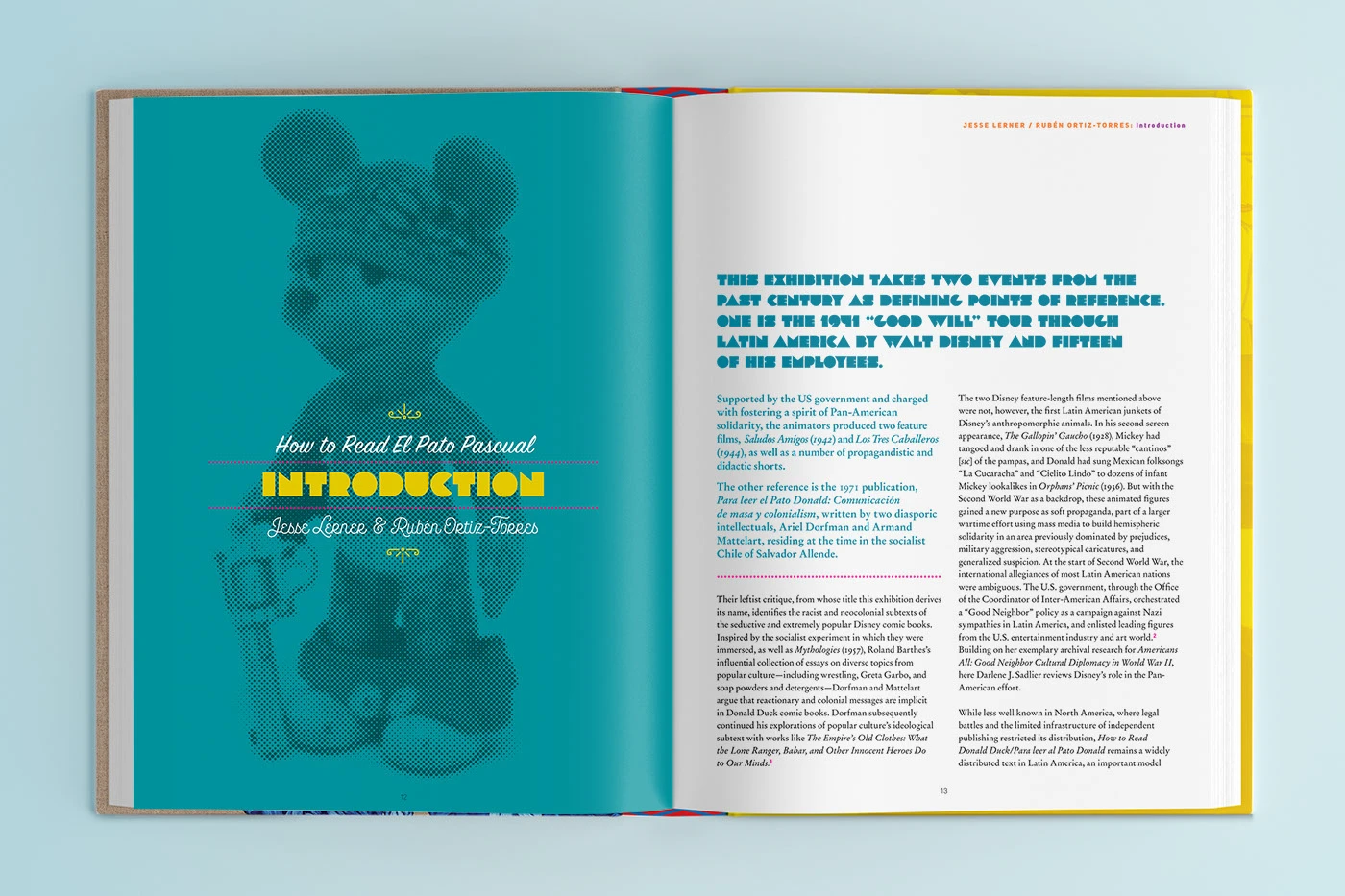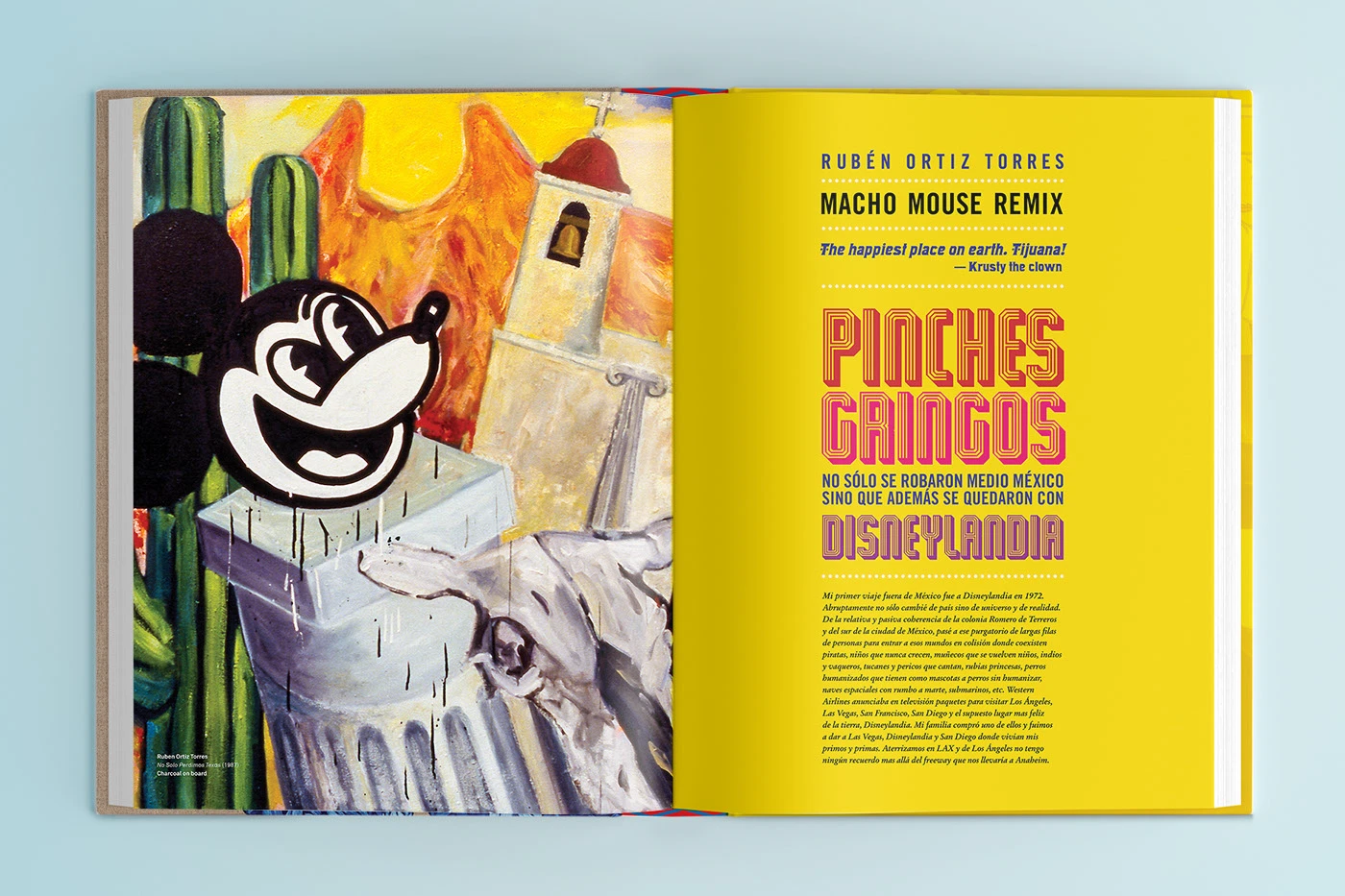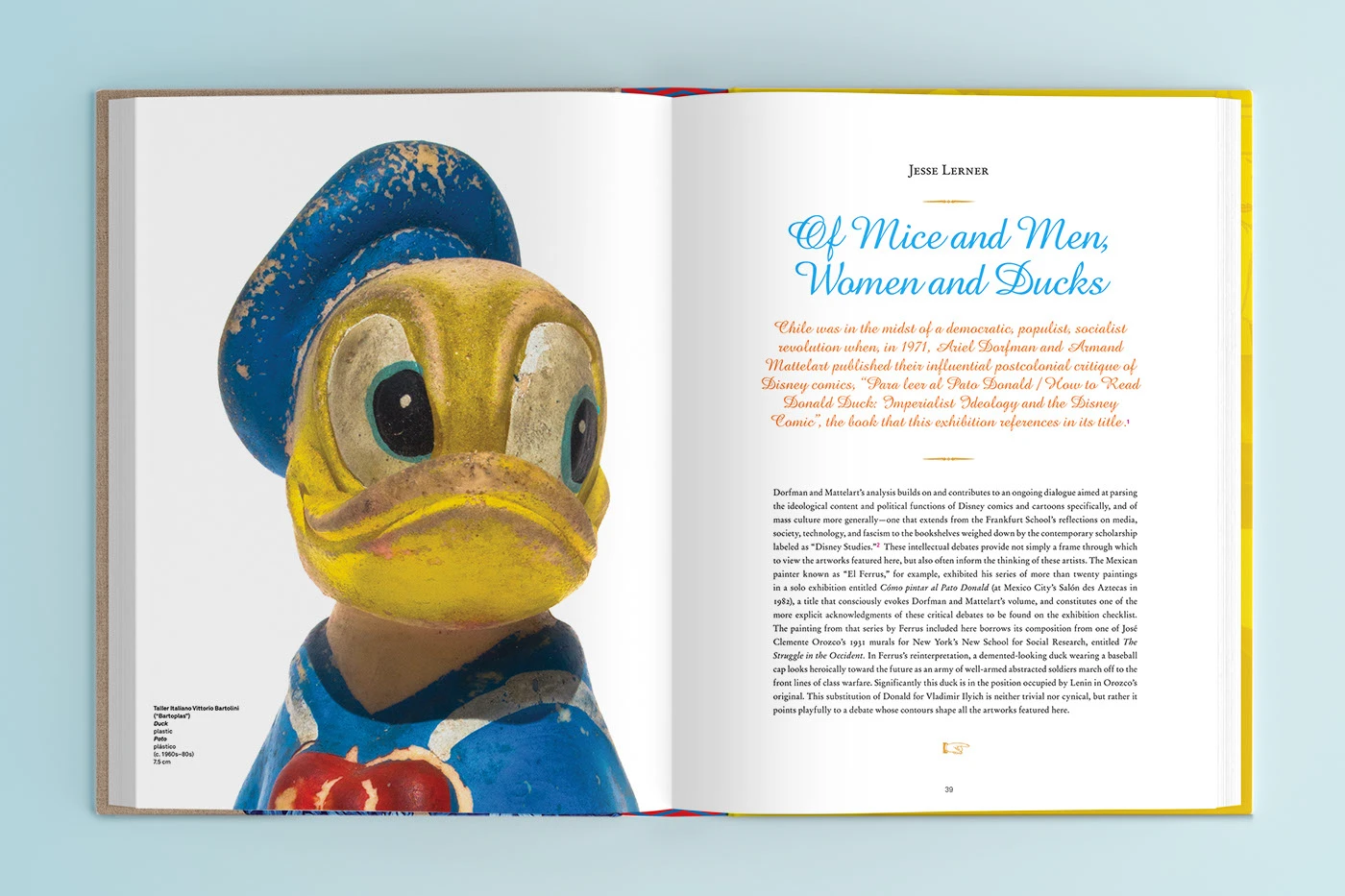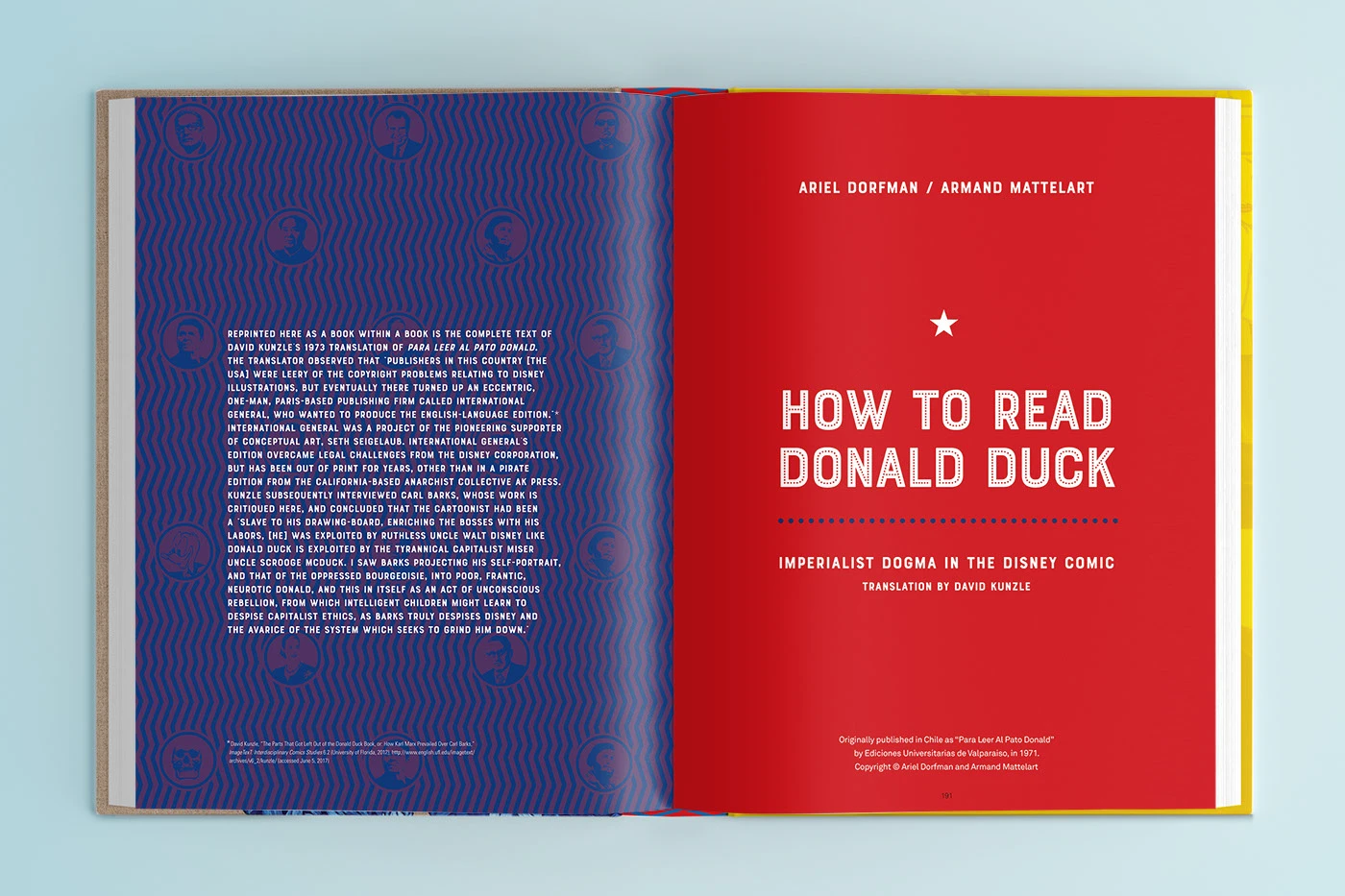
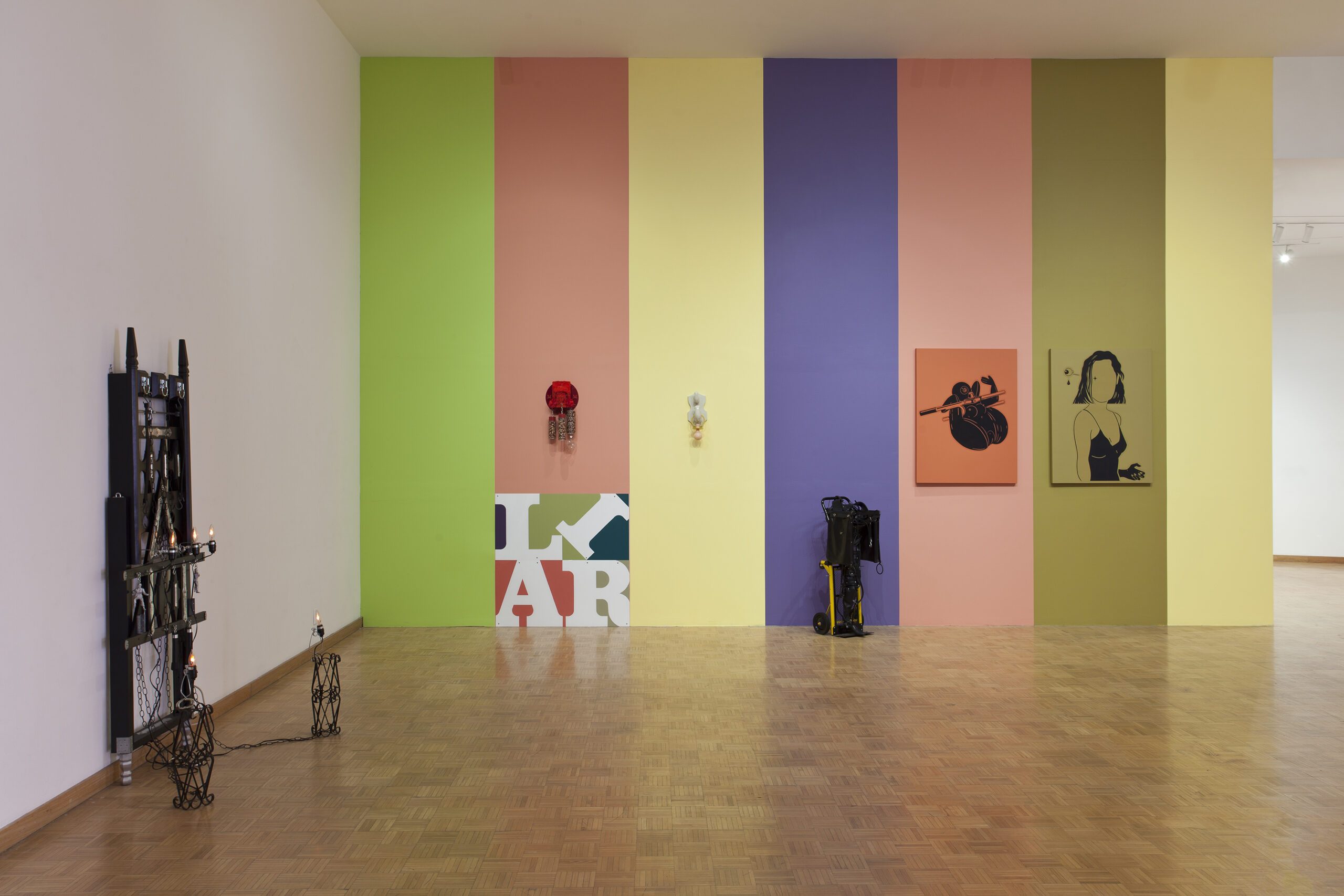
How to Read El Pato Pascual: Disney’s Latin America and Latin America’s Disney is an attempt to engage with the idea that there are no clean boundaries in art, culture, and geography, and to deconstruct how such notions are formed and disputed. For over seventy-five years, the Walt Disney Company has continuously looked to Mexico, the Caribbean, and Central and South America for content, narratives, and characters, beginning with Donald Duck’s first role in the Mexican-themed Don Donald (1937). The 1971 text by Chilean scholars Ariel Dorfman and Armand Mattelart—Para leer al Pato Donald—considered Disney comic books as a form of cultural imperialism, and curators Jesse Lerner and Rubén Ortiz-Torres have used its arguments as a starting point to show that Disney cannot be seen as something simply exported to the rest of the Americas, and passively received. Like any other cultural force or mythology in Latin America, Disney imagery has always been quickly reinterpreted, assimilated, adapted, cannibalized, syncretized, and subverted in popular culture and the fine arts.
Read more
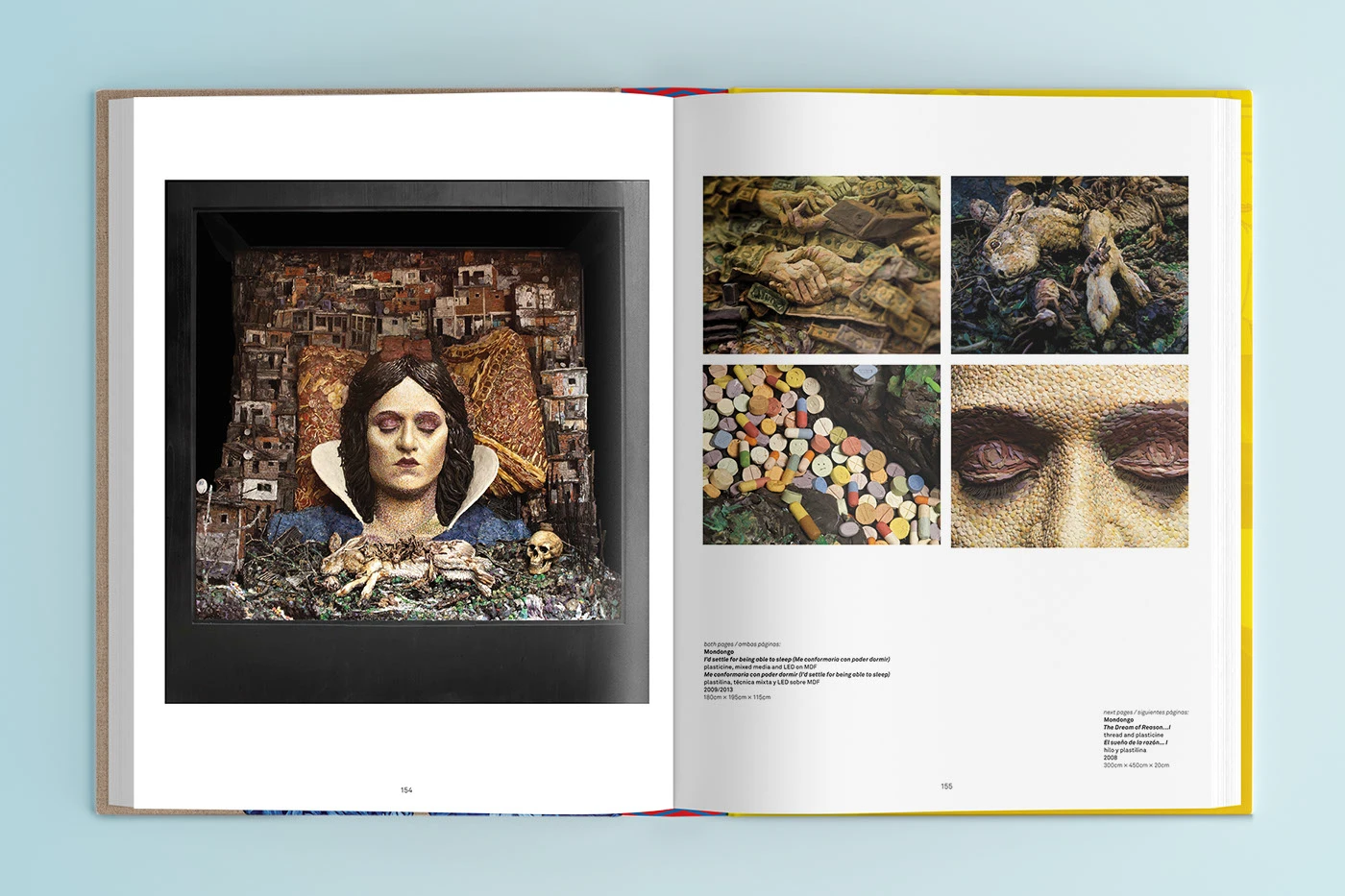
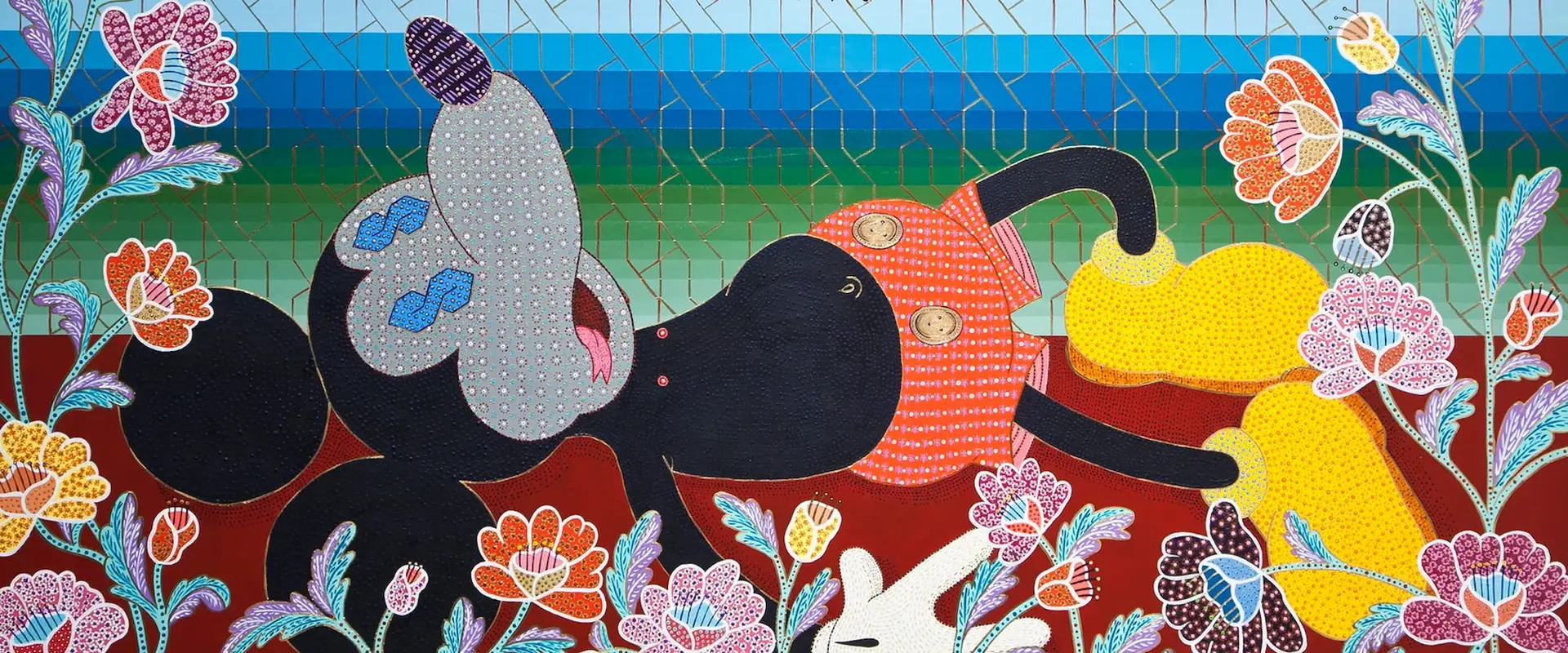
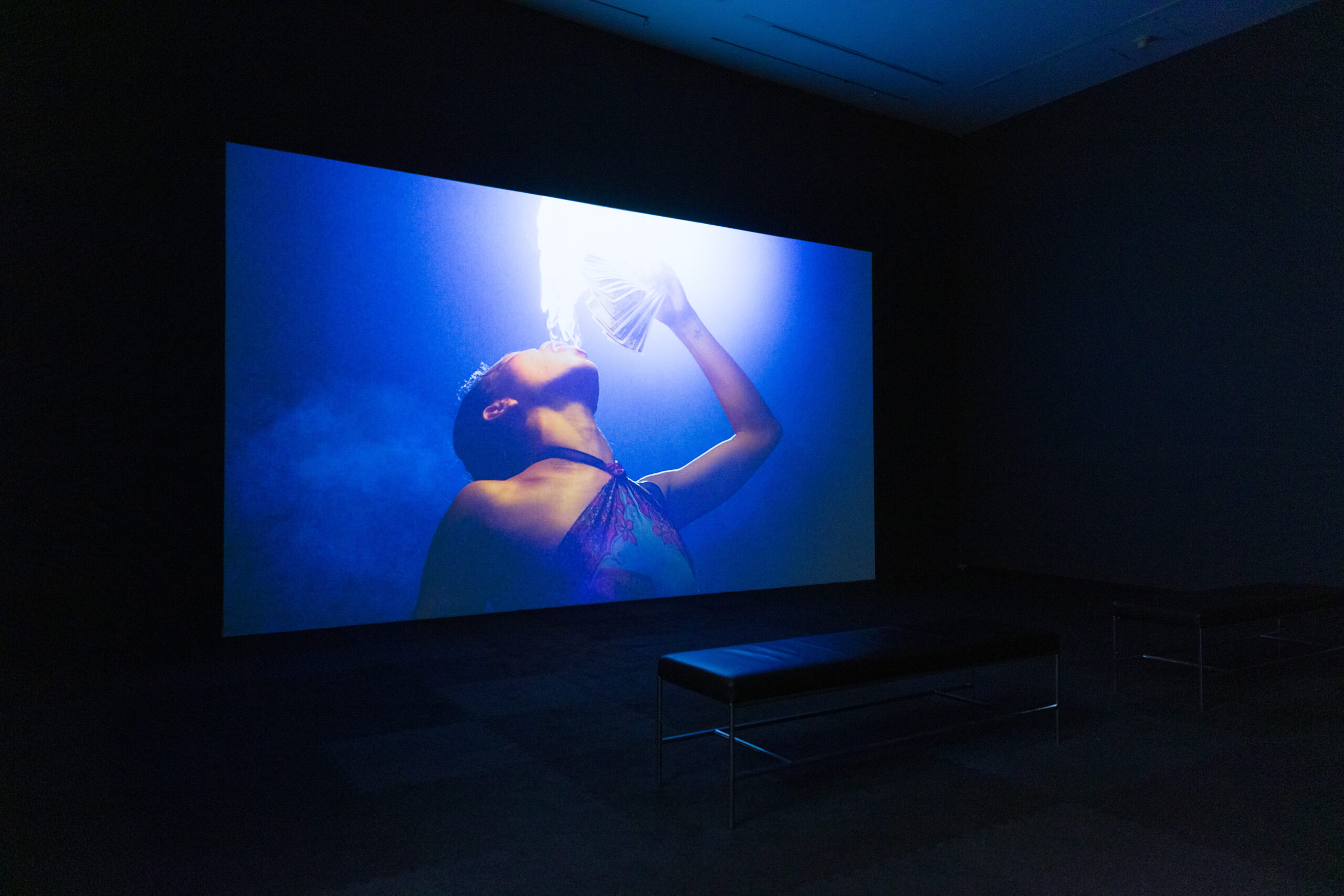
Organized by the MAK Center for Art and Architecture in cooperation with the Luckman Fine Arts Complex at Cal State LA, the exhibition brings together over 150 works by 48 Latin American artists spanning nearly a century of cultural exchange between Disney and Latin America. Spanning painting, photography, graphic work, drawing, sculpture, and video, as well as folk art and vernacular objects, the two venues explore this history and the ways Latin American artists have responded to, played with, re-appropriated, and misappropriated Disney iconography. Featured artists include Nadín Ospina, whose pre-Columbian-style sculptures render Disney characters in carved stone and gold; Enrique Chagoya, who juxtaposes codices and indigenous iconography with Disney figures in postcolonial critique; Liliana Porter, whose conceptual photographs pair Disney toys with figures like Che Guevara; and photographer Antonio Turok, whose images capture Disney’s presence woven into daily life across the region.
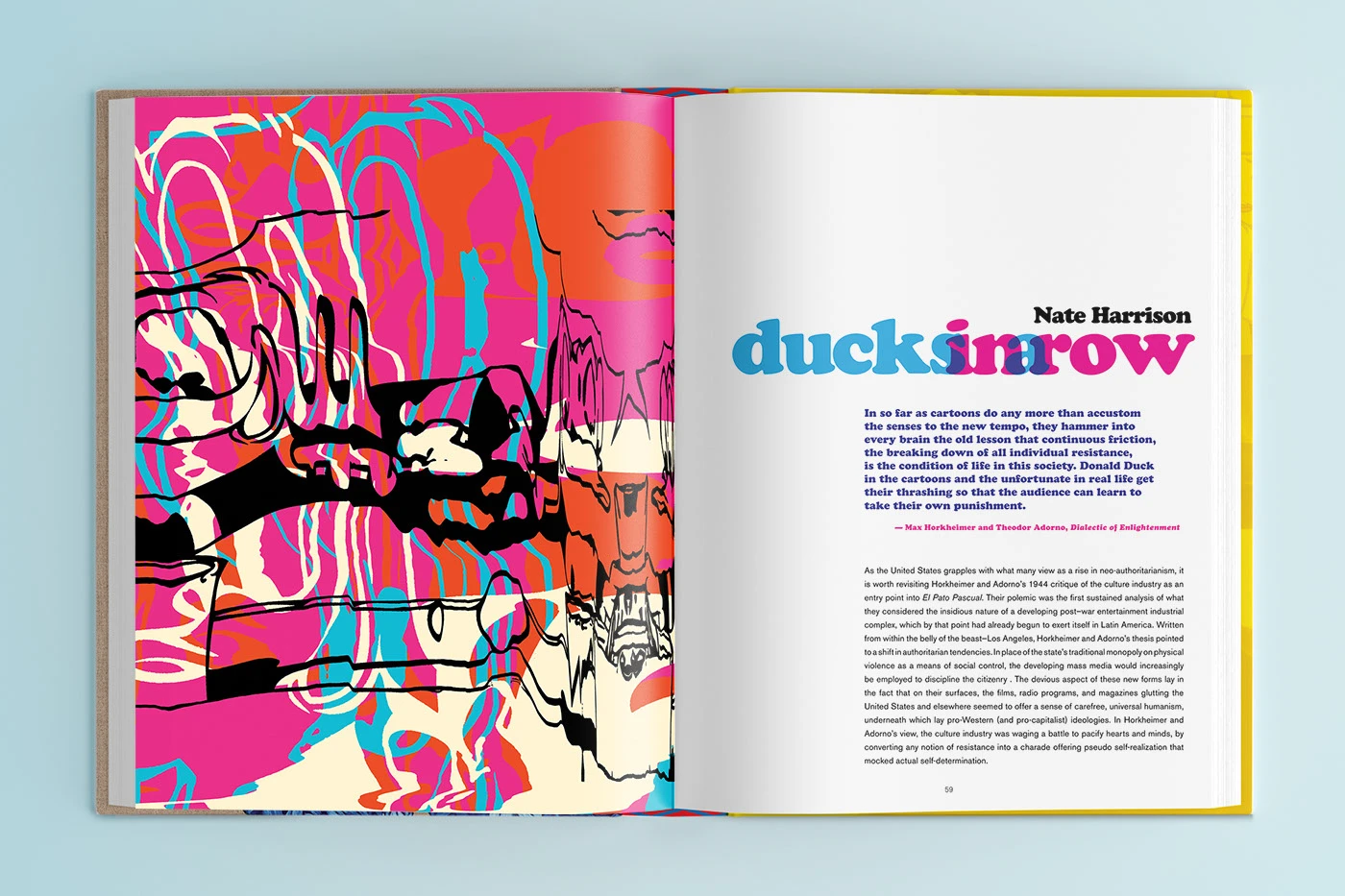
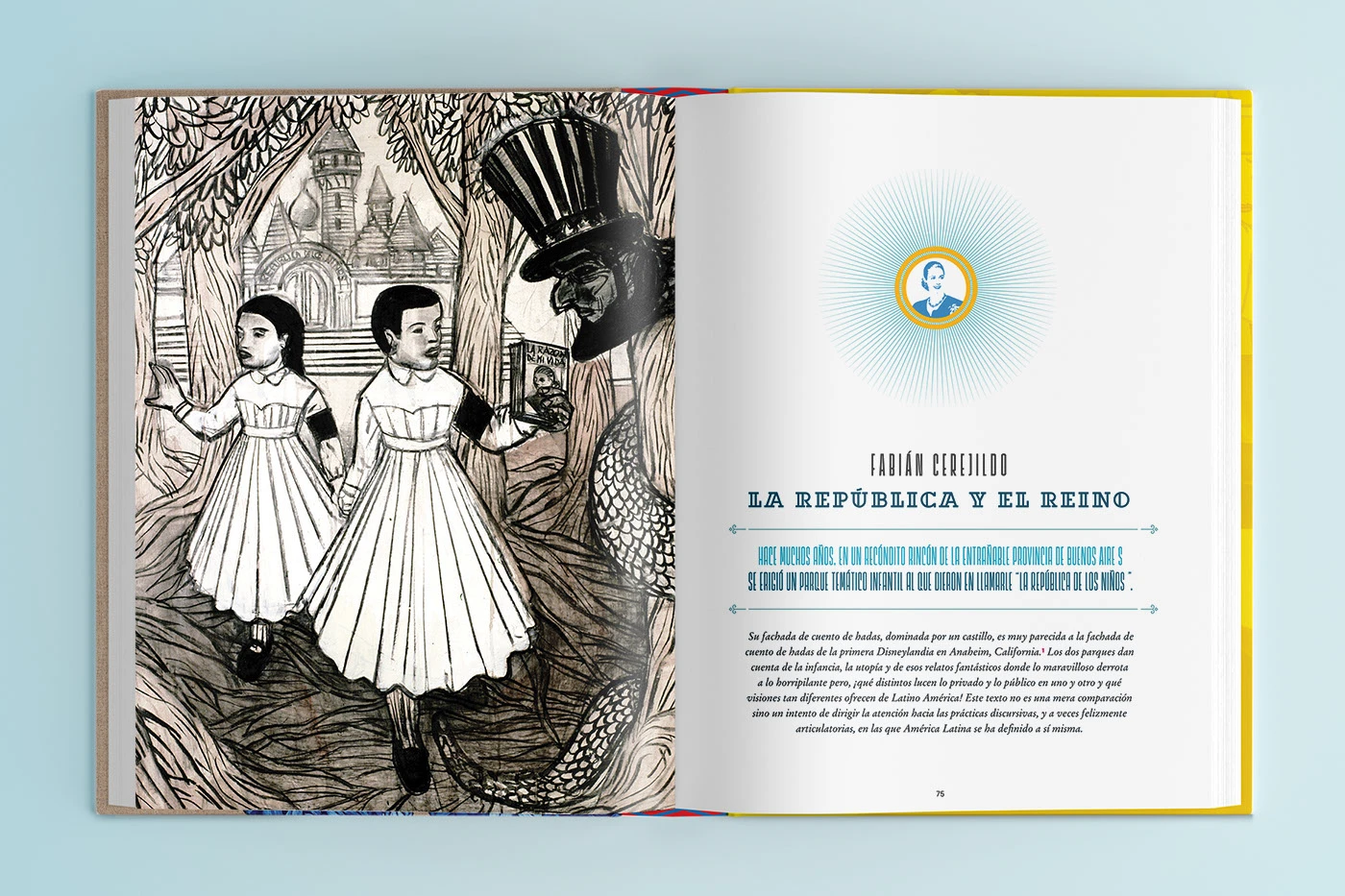
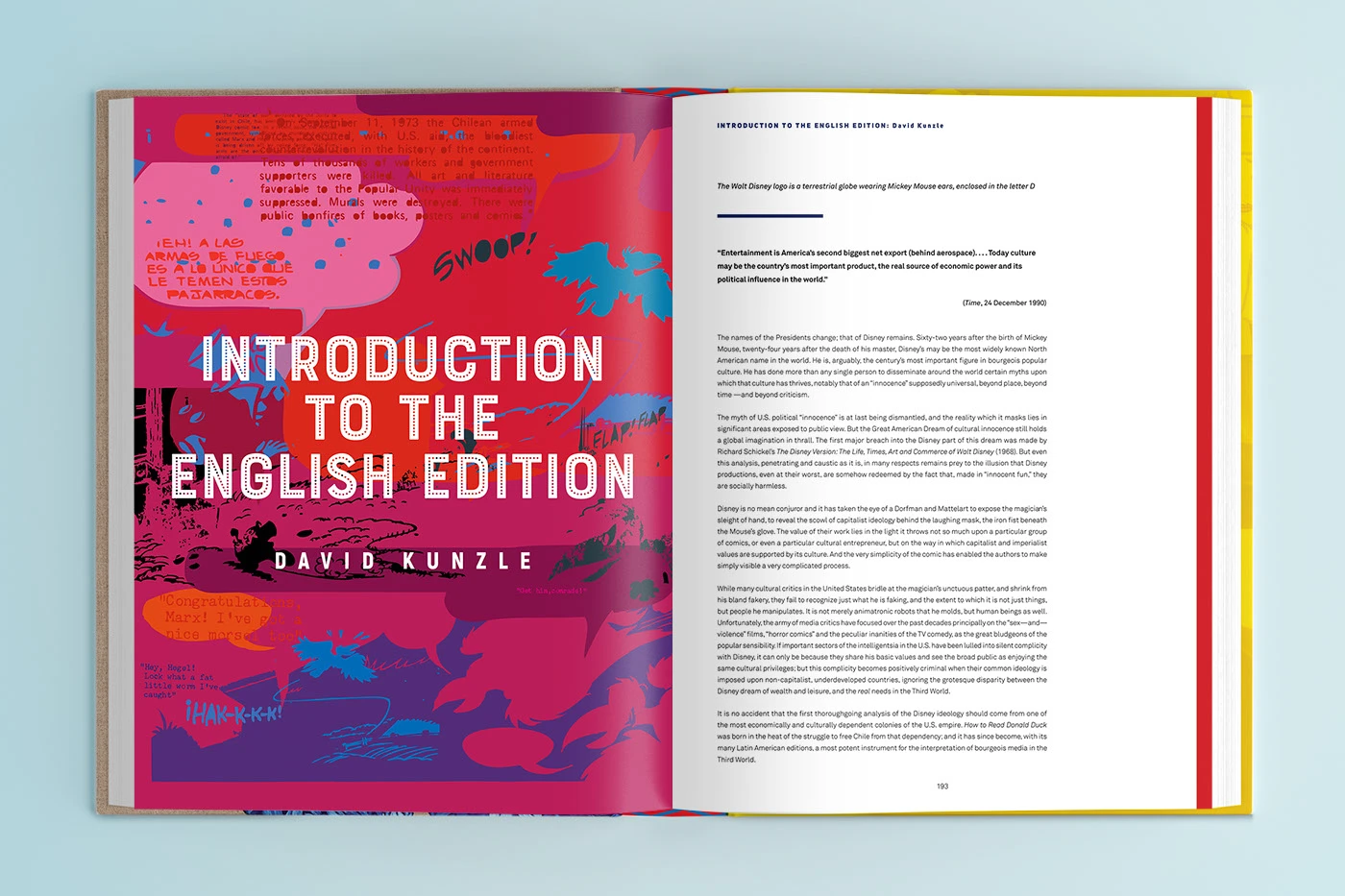
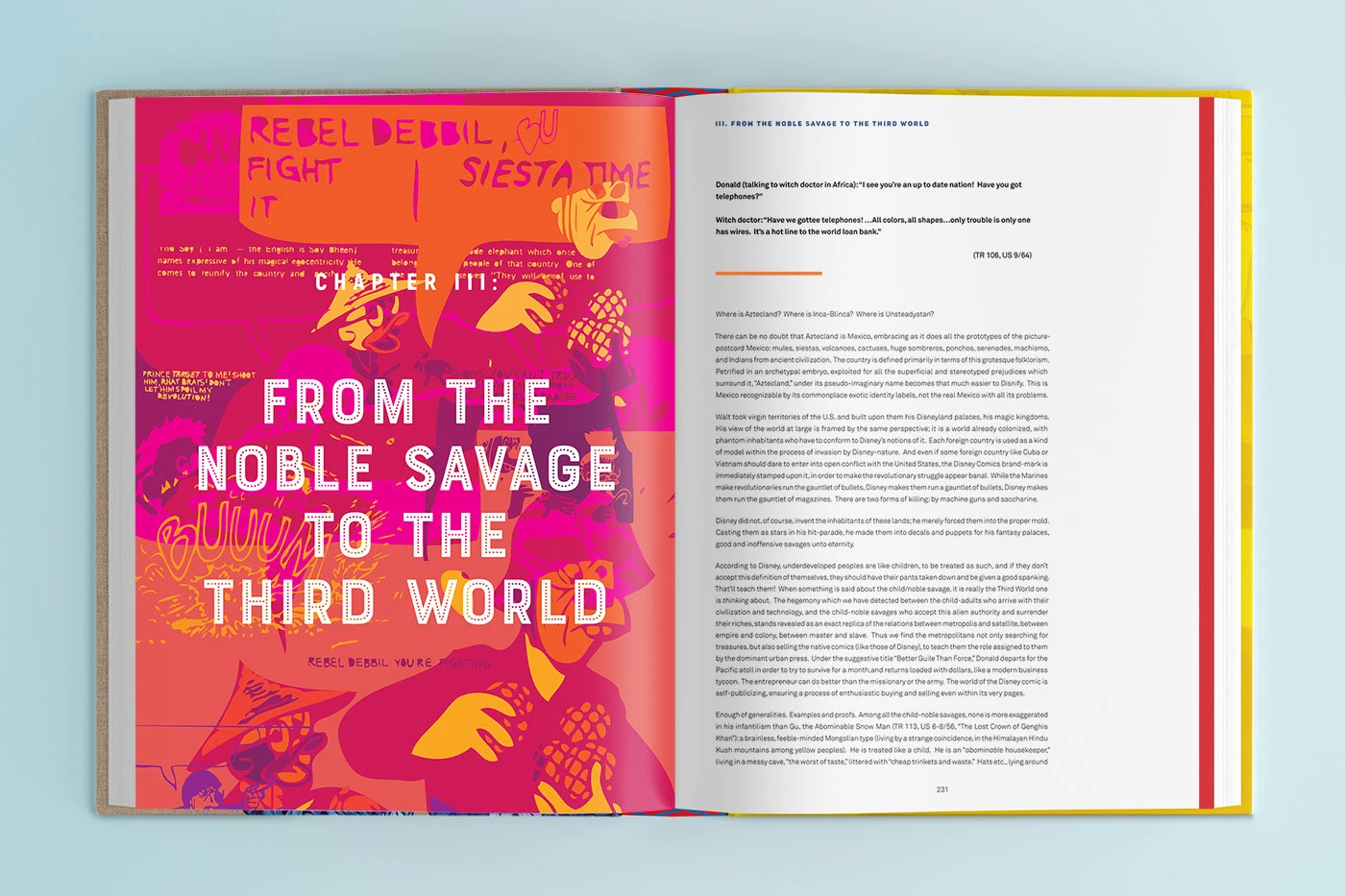
Due to its size and scope, the exhibition is presented in two locations: the Luckman Fine Arts Complex at Cal State LA and the Schindler House at the MAK Center for Art and Architecture in West Hollywood — one a large gallery space serving a diverse, young campus audience, the other an intimate 1922 modernist landmark. Running September 9, 2017 through January 14, 2018, the exhibition is accompanied by a bilingual English/Spanish catalogue, published by Black Dog Publishing and designed by Jorge Verdin, featuring an introduction by the curators; commissioned essays by Fabián Cereijido, Nate Harrison, Jesse Lerner, Rubén Ortiz-Torres, Darlene J. Sadlier, and Carla Zaccagnini; and a reprinting of the English translation of Dorfman and Mattelart’s Para leer al Pato Donald. How to Read El Pato Pascual is presented as part of Pacific Standard Time: LA/LA, with major support from the Getty Foundation, and generous support from the Andy Warhol Foundation for the Visual Arts and the National Endowment for the Arts.
Featured Artists
Lalo Alcaraz, Florencia Aliberti, Sergio Allevato, Pedro Álvarez, Carlos Amorales, Rafael Bqueer, Mel Casas, Alida Cervantes, Enrique Chagoya, Abraham Cruzvillegas, Minerva Cuevas, Einar and Jamex De la Torre, Rodrigo Dorfman, Dr. Lakra, El Ferrus, Demián Flores, Pedro Friedeberg, Scherezade Garcia, Alicia Mihai Gazcue, Arturo Herrera, Alberto Ibañez, Claudio Larrea, Nelson Leirner, Fernando Lindote, José Rodolfo Loaiza Ontiveros, Marcos López, José Luis and José Carlos Martinat, Carlos Mendoza, Pedro Meyer, Florencio Molina Campos, Mondongo, Jaime Muñoz, Rivane Neuenschwander, Rafael Montañez Ortiz, Nadín Ospina, Leopoldo Peña, Liliana Porter, Artemio Rodríguez, Agustín Sabella, Daniel Santoro, Mariángeles Soto-Díaz, Magdalena Suarez Frimkess, Antonio Turok, Meyer Vaisman, Ramón Valdiosera Berman, Angela Wilmot, Robert Yager, Carla Zaccagnini.
Jesse Lerner and Rubén Oritz-Torres, Curators
Jesse Lerner and Rubén Oritz-Torres each brought considerable knowledge to the exhibition project and publication. Both are artists and academics—teaching at Pitzer College and UC San Diego, respectively—whose work explores the boundaries of culture and art; their fields of expertise and methodologies, though distinct, complement each other and often overlap. They previously collaborated in the production of the film Frontierland and in curating MEX/LA, ‘Mexican’ Modernism(s) in Los Angeles 1930-1985 for the Museum of Latin American Art in Long Beach in 2011. Scholar Fabián Cereijido was the assistant curator of the exhibition.
Pacific Standard Time: LA/LA
Pacific Standard Time: LA/LA was a far-reaching and ambitious exploration of Latin American and Latino art in dialogue with Los Angeles that took place from September 2017 through January 2018. Led by the Getty, Pacific Standard Time: LA/LA was a collaboration of arts institutions across Southern California.
Through a series of thematically linked exhibitions and programs, Pacific Standard Time: LA/LA highlighted different aspects of Latin American and Latino art from the ancient world to the present day. With topics such as luxury arts in the pre-Columbian Americas, 20th century Afro-Brazilian art, alternative spaces in Mexico City, and boundary-crossing practices of Latino artists, exhibitions ranged from monographic studies of individual artists to broad surveys that cut across numerous countries.
Supported by more than $16 million in grants from the Getty Foundation, Pacific Standard Time: LA/LA involved more than 70 cultural institutions from Los Angeles to Palm Springs, and from San Diego to Santa Barbara. Pacific Standard Time is an initiative of the Getty. The presenting sponsor was Bank of America.

Major support of this exhibition and publication was provided through grants from the Getty Foundation.
Generous support provided by the Andy Warhol Foundation for the Visual Arts, the National Endowment for the Arts, and the City of West Hollywood.
This project was also supported, in part, by the Los Angeles County Board of Supervisors through the Los Angeles County Arts Commission.
Exhibition Catalog
How to Read El Pato Pascual: Disney’s Latin America and Latin America’s Disney
Para leer al Pato Pascual: la América Latina de Disney y el Disney de América Latina
Published on the occasion of the exhibition How to Read El Pato Pascual: Disney’s Latin America and Latin America’s Disney, presented at the MAK Center for Art and Architecture at the Schindler House and the Luckman Fine Arts Complex at Cal State LA, September 9, 2017 – January 14, 2018, as part of Pacific Standard Time: LA/LA.
Edited by: Jesse Lerner and Rubén Ortiz-Torres
Designed by: Jorge Verdin
Published by: Black Dog Publishing, London
Publication year: 2017
Format: Hardcover
Dimensions: 9 x 12 in / 30 x 23 cm,
Pages: 304 pages featuring 180 illustrations
Languages: English and Spanish
ISBN-13: 978-1911164722