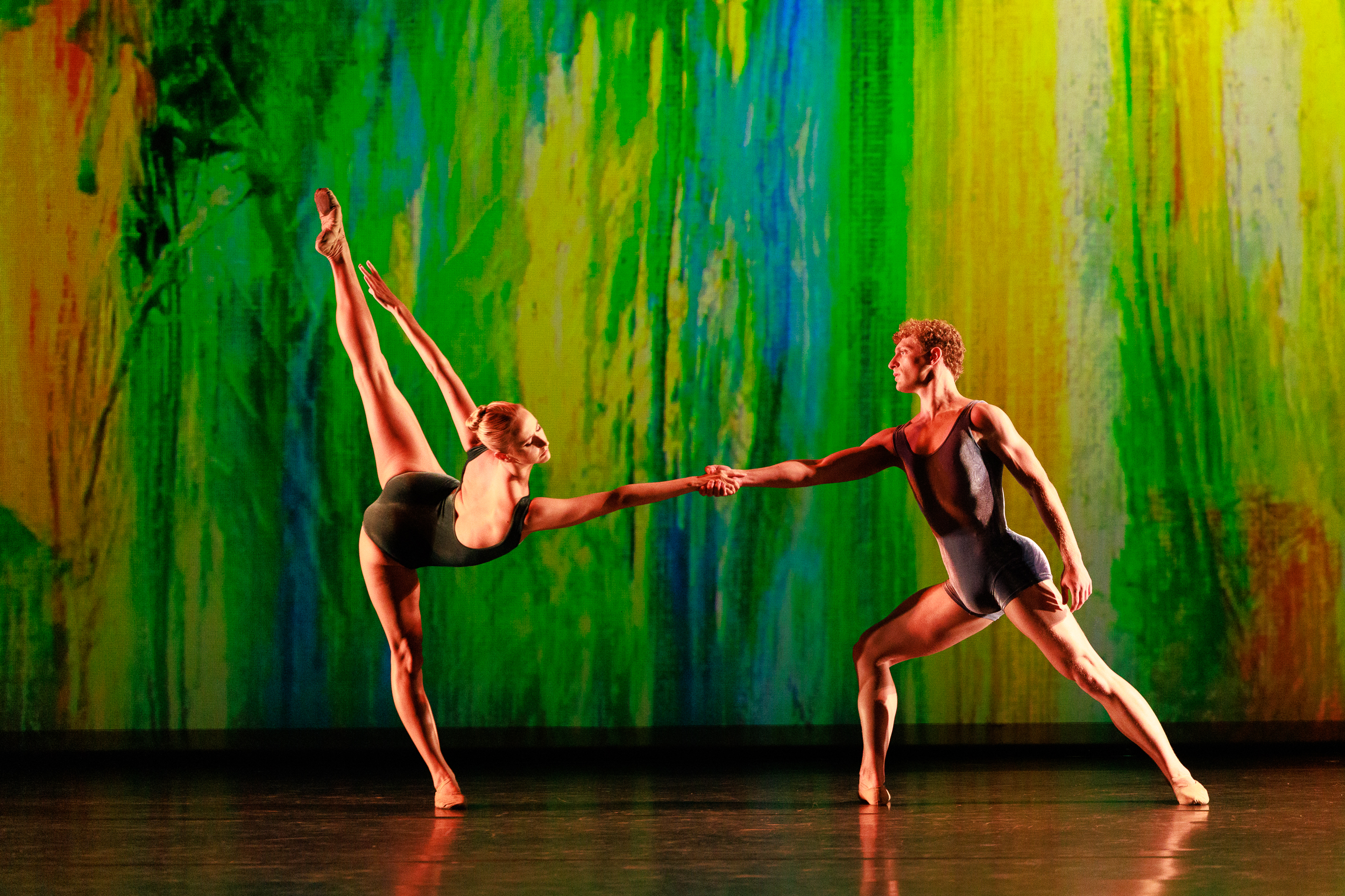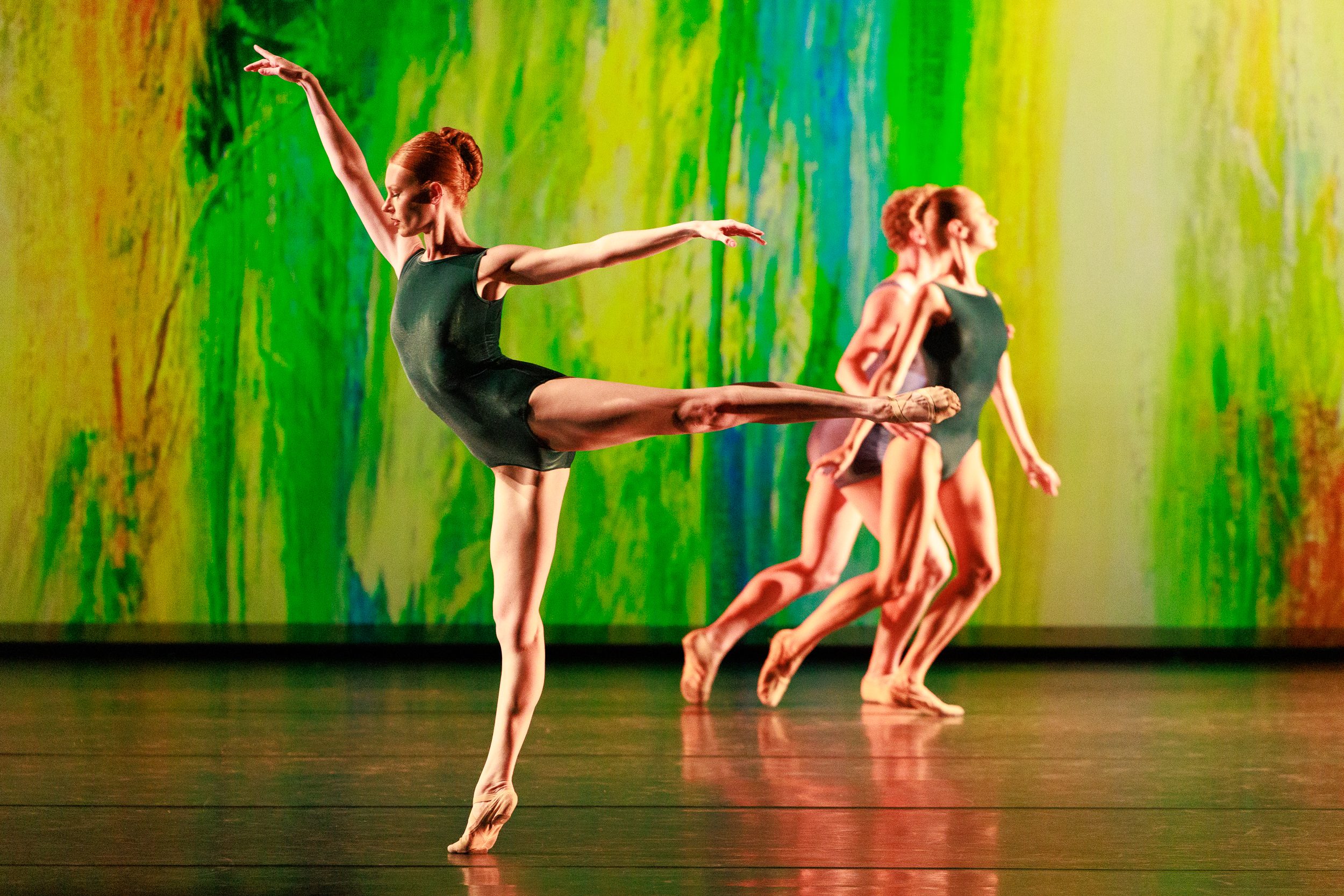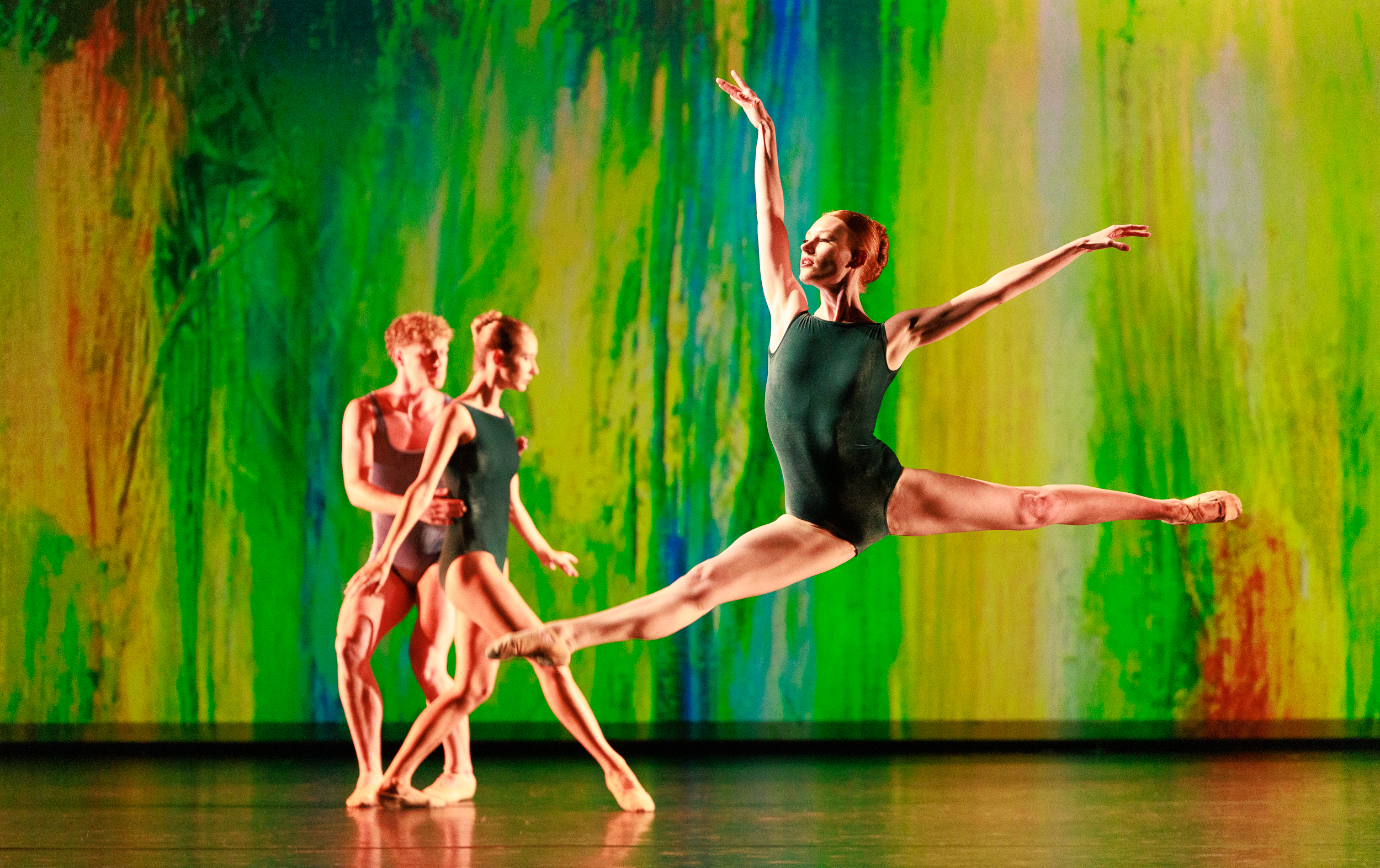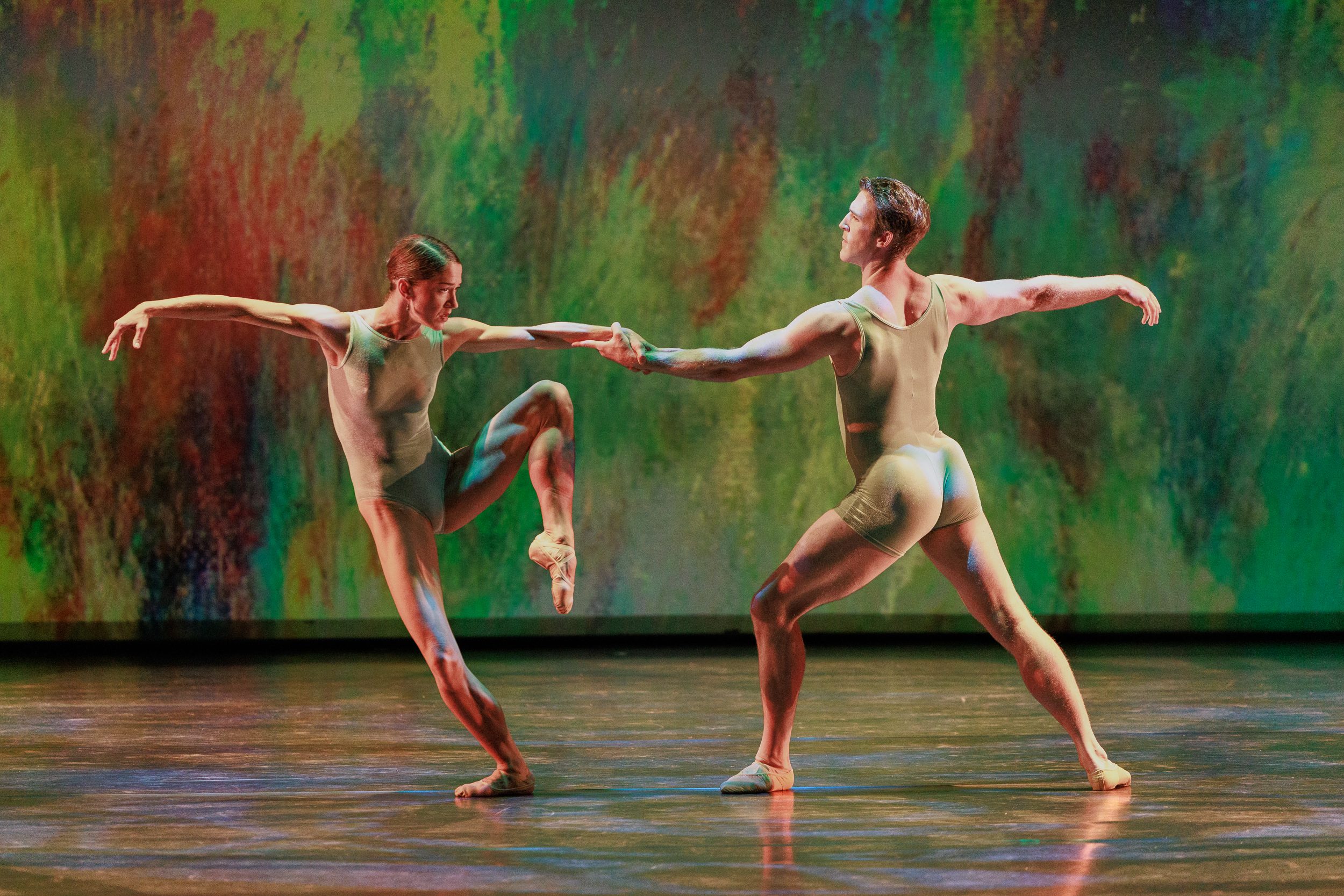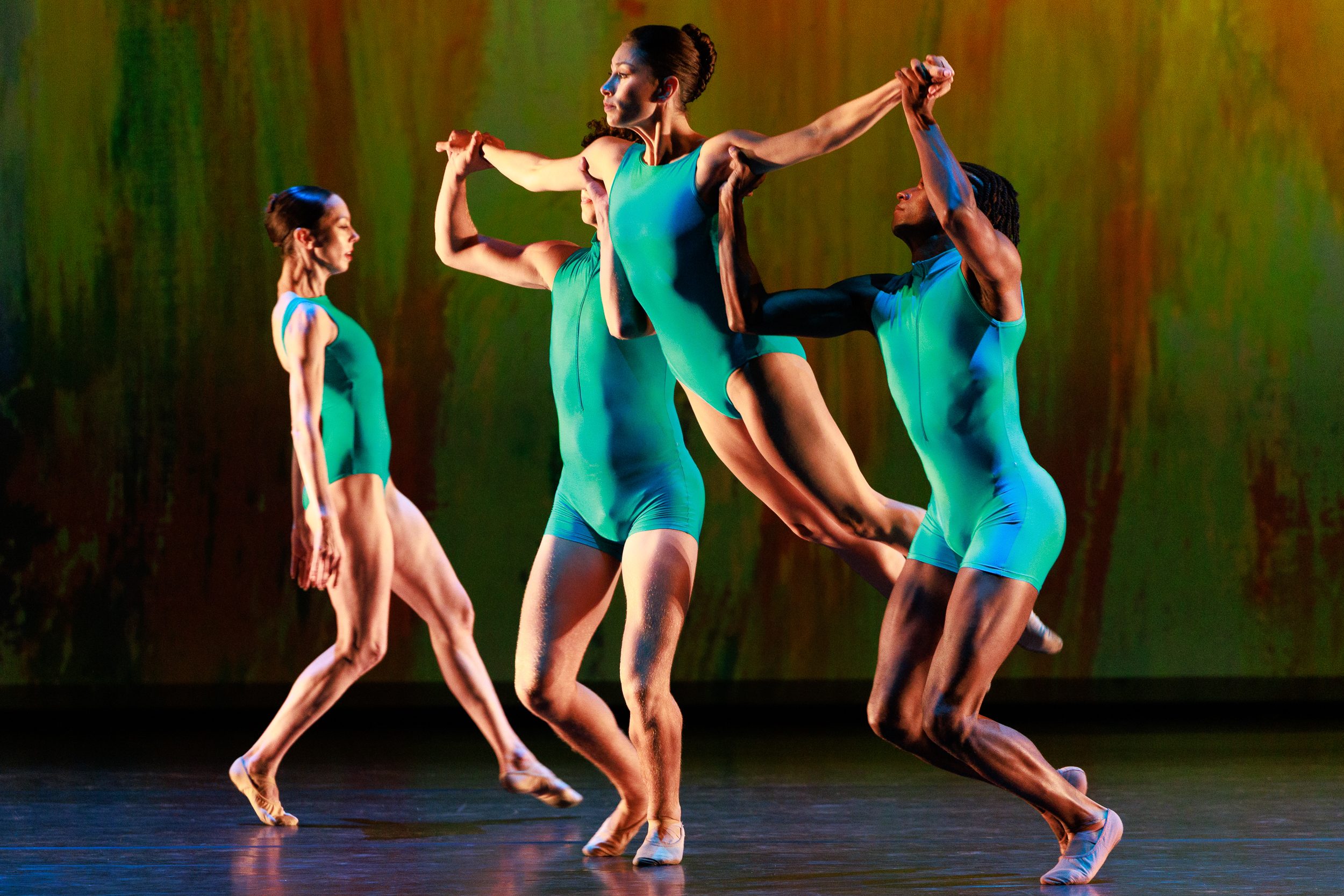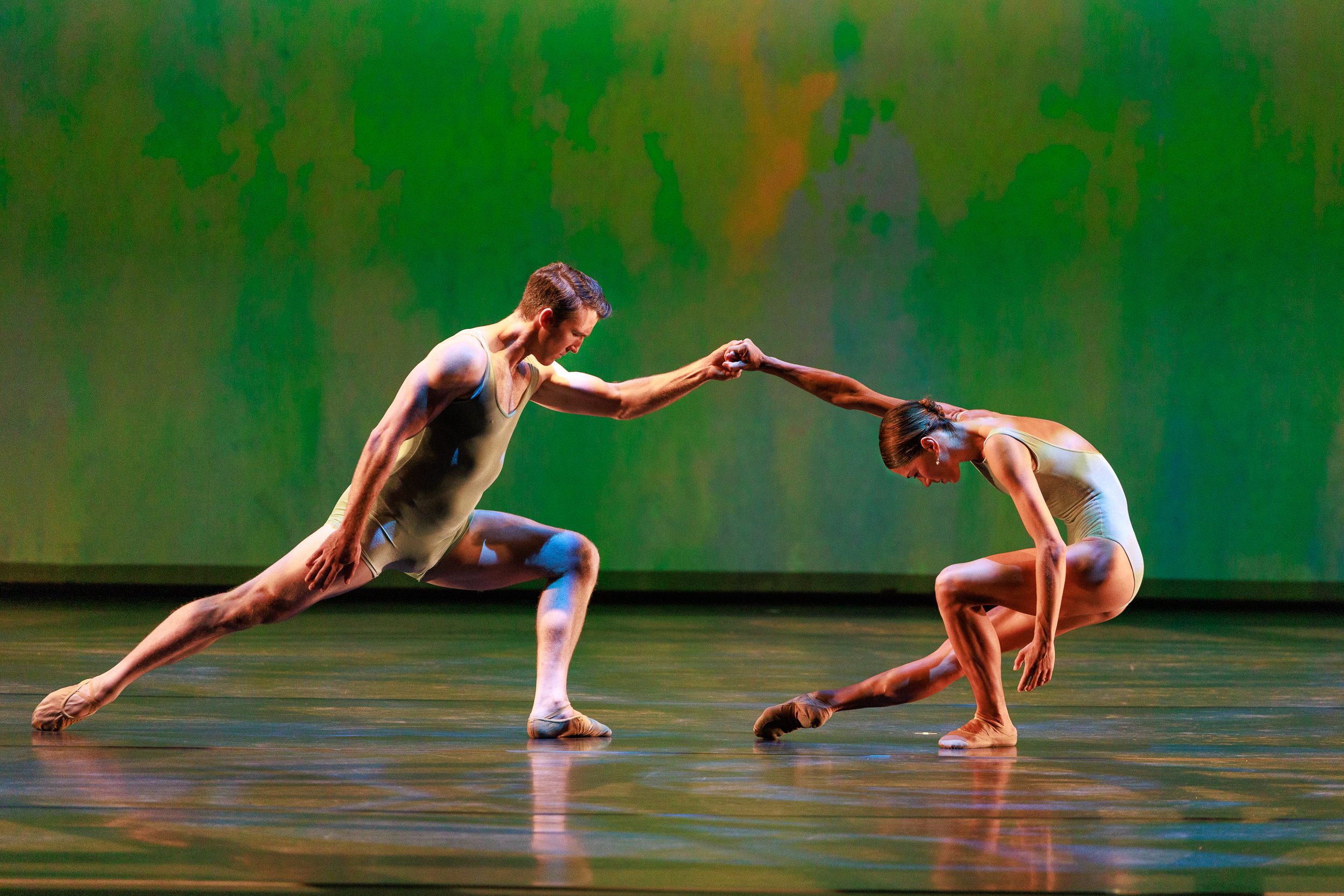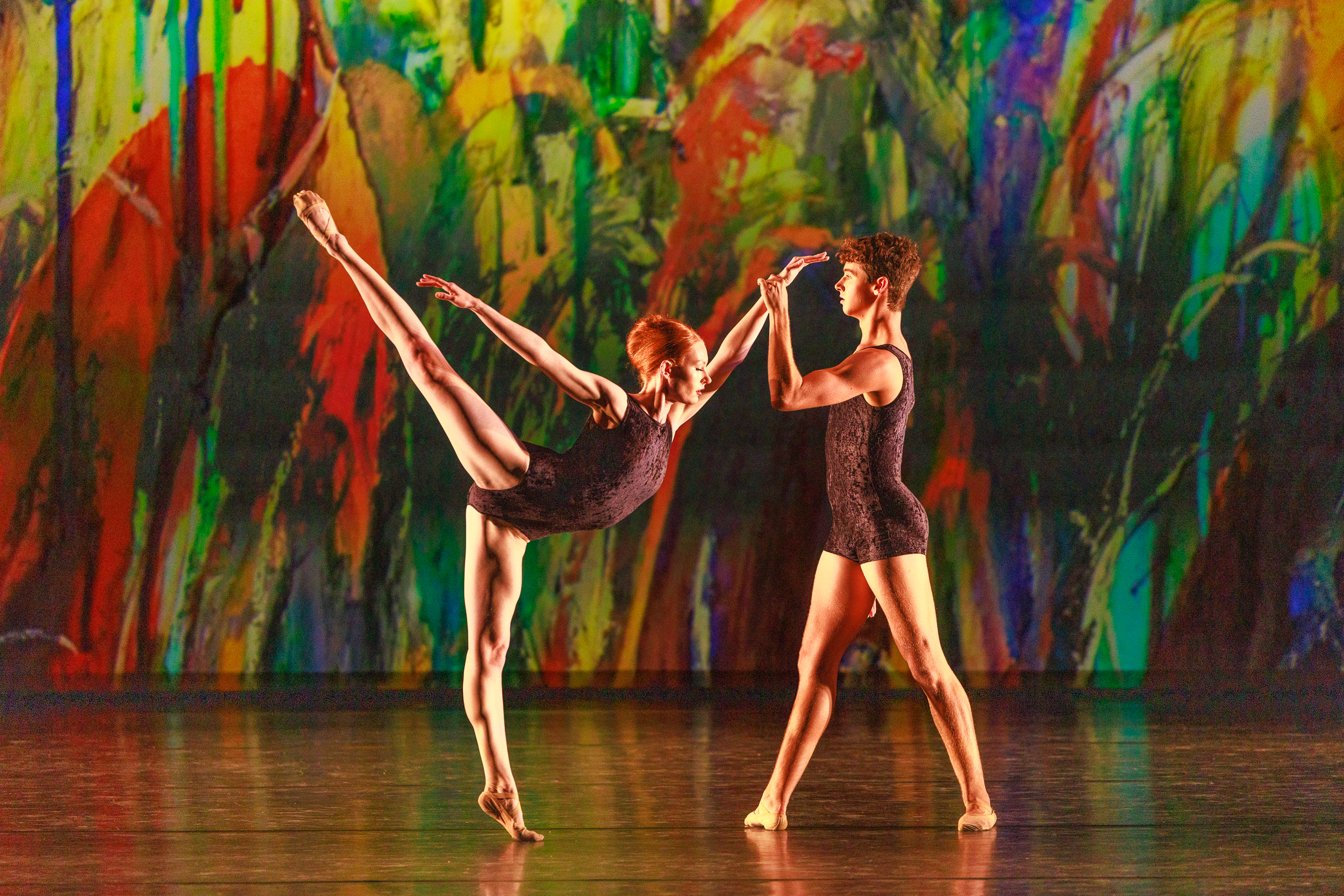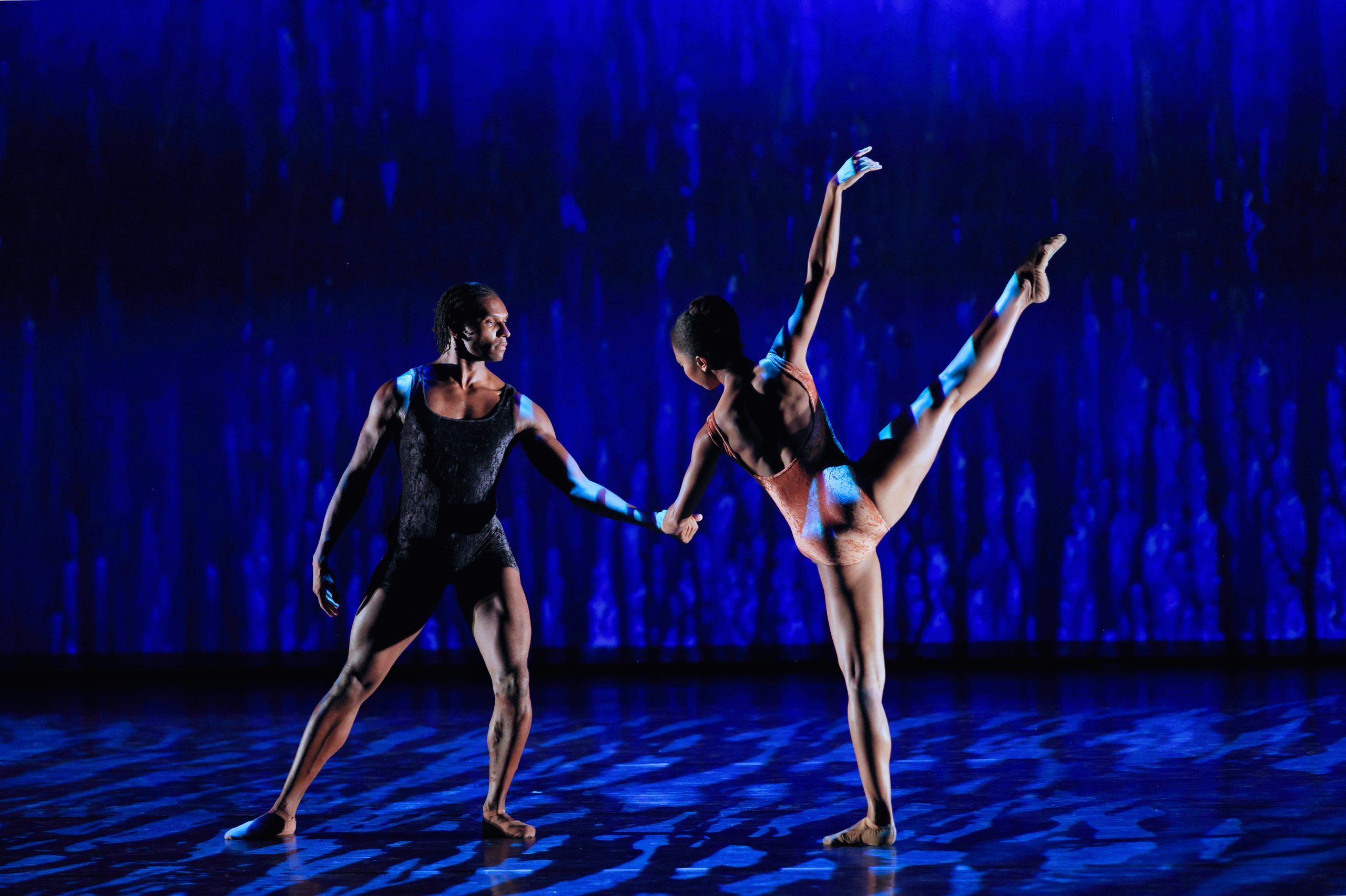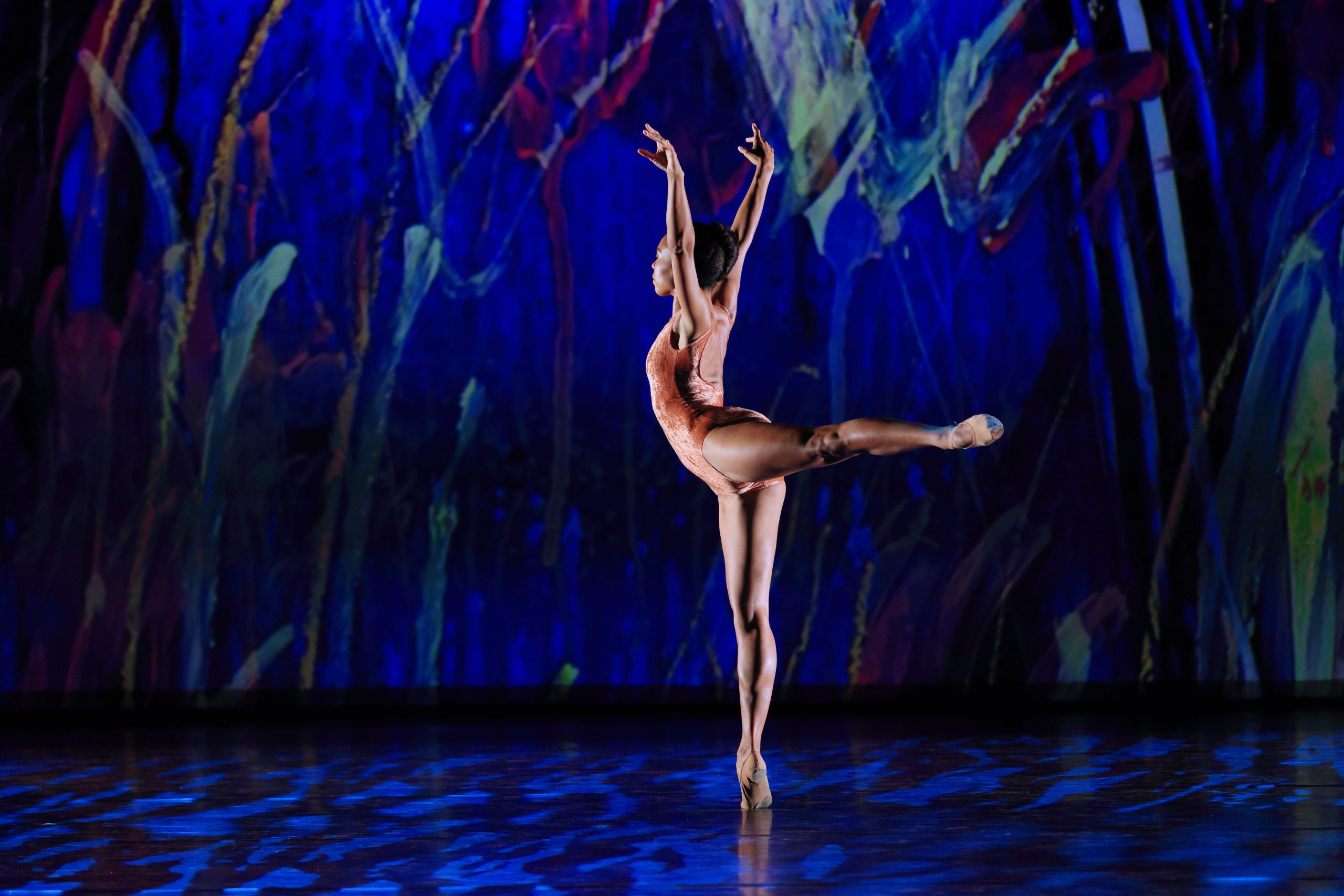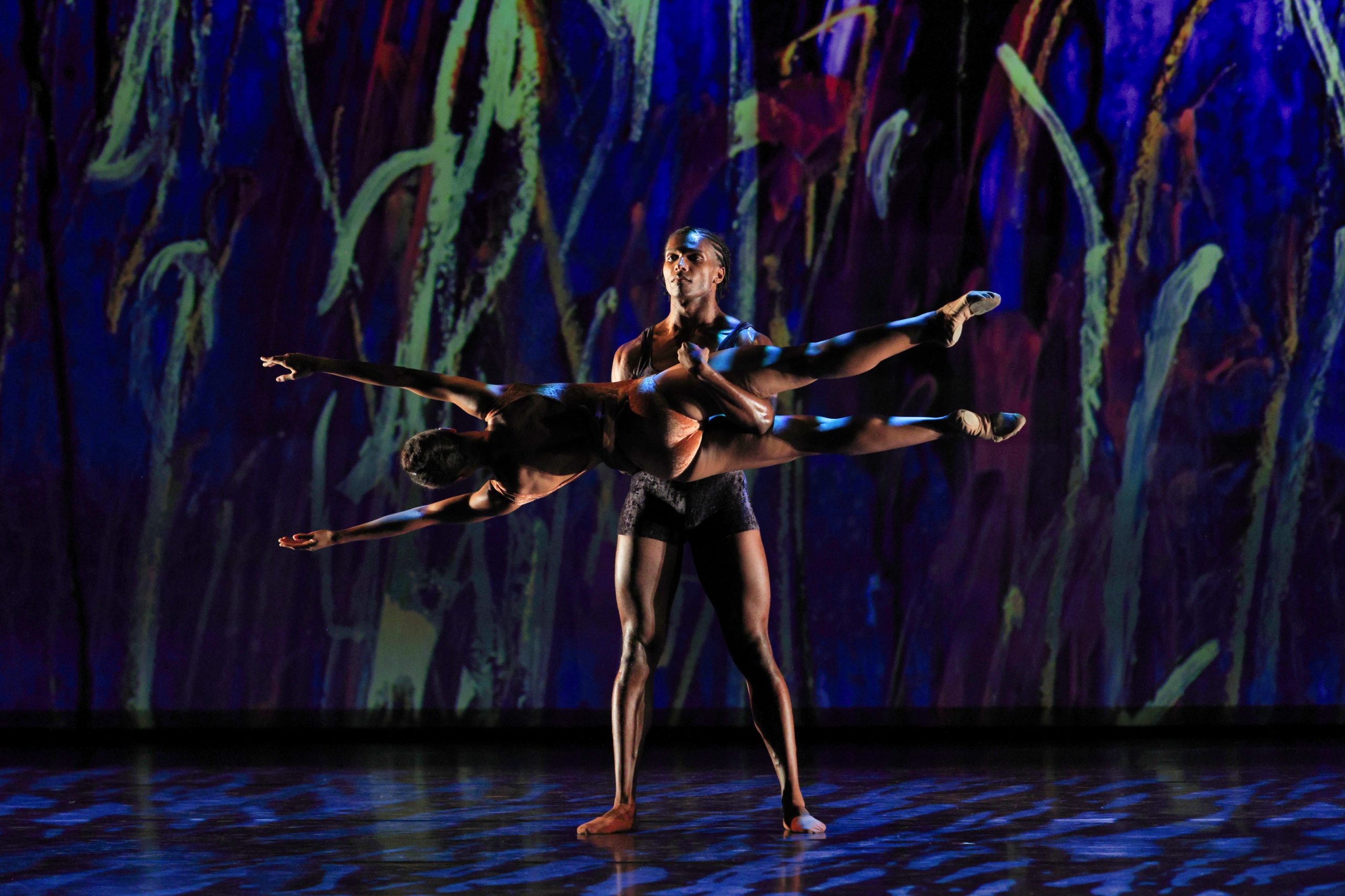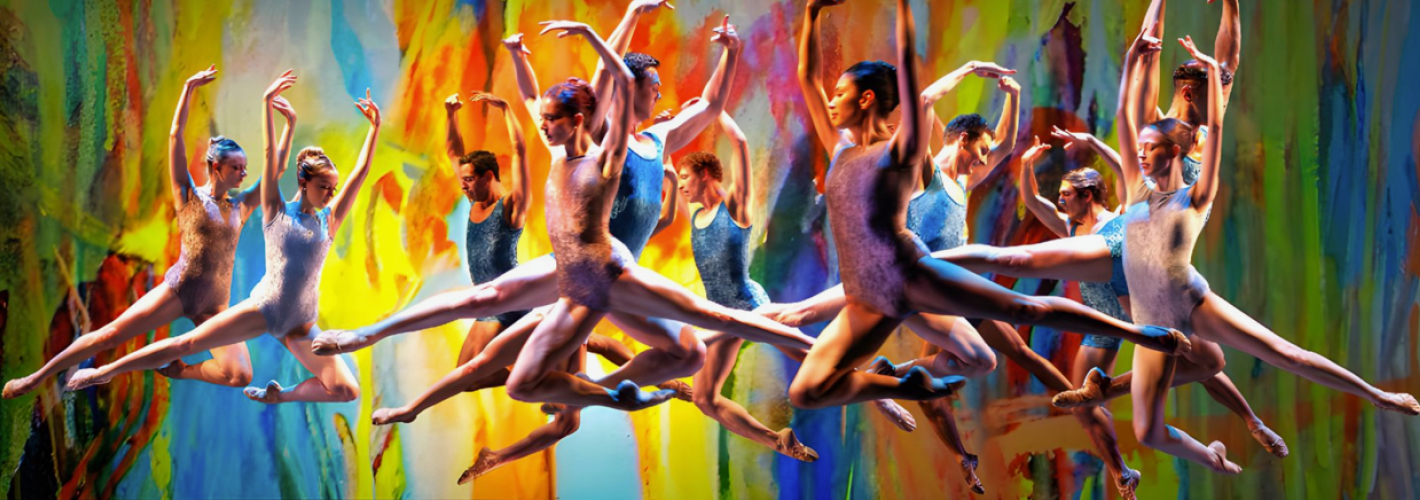
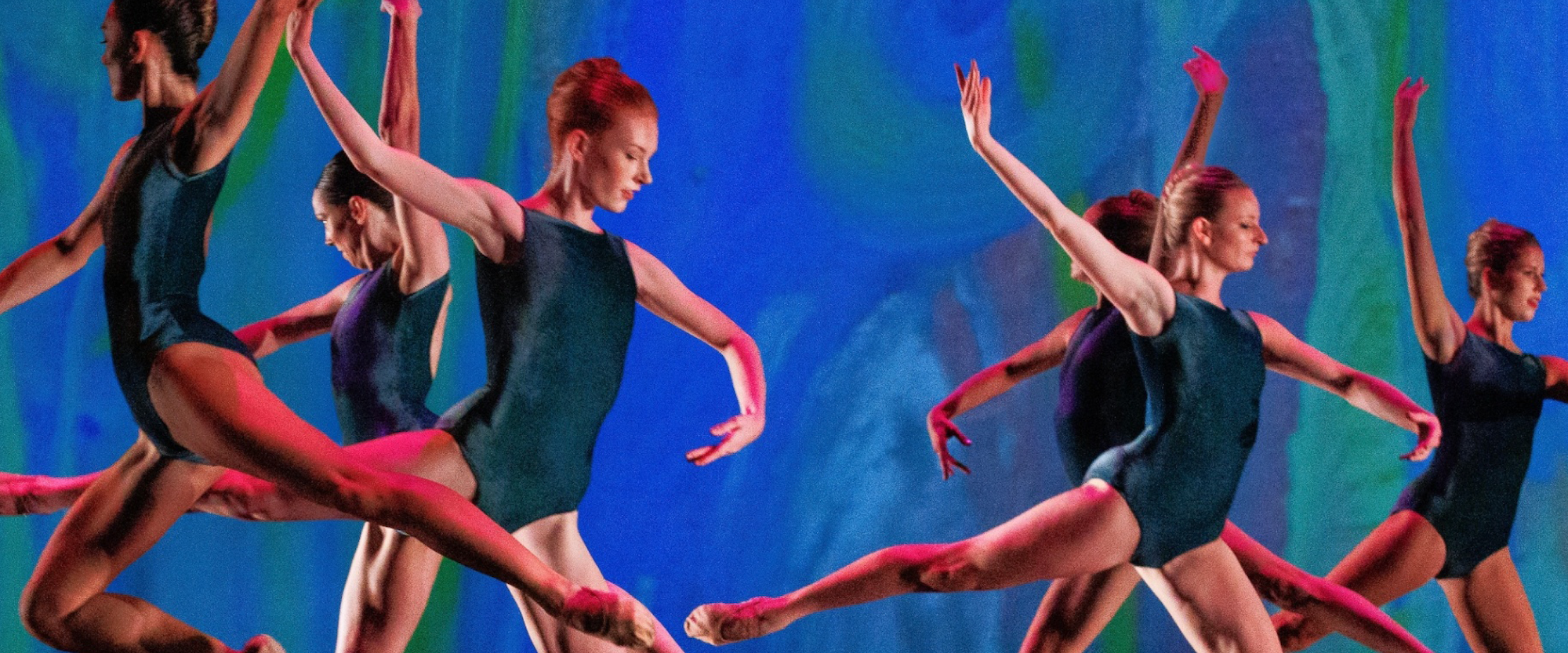
Raiford Rogers Modern Ballet presents the world premieres of Who Has Seen the Wind? and Landscape in Blue, alongside the choreographer’s acclaimed Islands in the Sea.
Inspired by Christina Rossetti’s beloved 1852 poem, Who Has Seen the Wind? explores themes of nature, mystery, and the unseen forces that shape our lives. The ballet is set to a rich musical tapestry of works by Maurice Ravel, George Frideric Handel, and Arvo Pärt, specially recorded for the performance with the Grammy Award–winning Parker Quartet and pianist Hui Wu. Through Rogers’ distinctive choreographic voice, poetry and music come together in a work of lyrical beauty and emotional depth.
Landscape in Blue is set to John Cage’s meditative masterpiece In a Landscape (1948). Reflecting the serenity and spaciousness of Cage’s score, the ballet creates an immersive atmosphere in which movement, music, and visual imagery unfold with quiet elegance and grace.
Completing the program is Rogers’ landmark ballet Islands in the Sea, a powerful and evocative work set to music by Arvo Pärt and Zbyněk Matějů. Celebrated for its sweeping choreography and emotional resonance, the ballet remains one of the choreographer’s signature achievements.
Enhancing all three works are stunning stage projections featuring original paintings by artist Mike Nava. These vibrant visual landscapes create a dynamic dialogue between dance, music, and visual art, transforming the stage into a richly textured environment and offering audiences a multidisciplinary artistic experience.
Raiford Rogers
Raiford Rogers is an internationally recognized contemporary choreographer. He co-founded the Los Angeles Chamber Ballet with Victoria Koenig in 1982. In 2002, he established Raiford Rogers Modern Ballet, with which he has created numerous collaborative works with prominent musicians and artists from around the world. He has twice been awarded the National Endowment for the Arts’ Choreographer Fellowship.
Rogers’ recent collaborative ballets include Glassworks and Études (Philip Glass), Seeds of Rain (Zbyněk Matějů), and Naïveté of Flowers (Lloyd Rodgers). Artwork (painting progressions) for these ballets was created by painter Mike Nava.
Additional noteworthy ballets include Where Are You My Love and Merge with jazz legend Charlie Haden; Cocktails with Joey (Joey Altruda Mambo Orchestra); Cabin Fever with music by Sandra Tsing Loh; and Ex Machina with an original score by L.A. Phil composer Carlos Rodriguez. Other unique projects include Dmitri, with a synopsis by Woody Allen; In C set to music of Terry Riley; Orpheus: Ballet-Opera and The Little Prince with original scores by composer Lloyd Rodgers; Sleepwalk with artist John Nava; and Dream Baby set to music by Roy Orbison with sets by artist Mark Stock.
Parker Quartet
The Parker Quartet was founded on a deep friendship and a shared commitment to chamber music. Formed officially in 2002 at the New England Conservatory, the ensemble’s origins trace back to earlier collaborations at summer festivals, where extended time together fostered a lasting musical and personal connection—an ethos that continues to shape its artistic identity.
Their training was guided by distinguished mentors at NEC, international programs, and ProQuartet in France, with influence from members of the Cleveland, Takács, Juilliard, Tokyo, Hagen, Alban Berg, and Artemis Quartets, as well as pedagogues such as Kim Kashkashian and Lucy Chapman. These experiences continue to inform their performances and teaching roles at institutions including Harvard University, the University of South Carolina, and the Walnut Hill School for the Arts.
Following their win at the Bordeaux International String Quartet Competition, the quartet began an active international touring career across Europe, Asia, and South America, developing a distinctive interpretive voice shaped by diverse cultural and acoustic experiences. Their 2009 recording of György Ligeti’s complete string quartets earned them the 2011 Grammy Award for Best Chamber Music Performance, affirming their commitment to bold and exploratory repertoire.
Now in their third decade, the Grammy Award-winning Parker Quartet continues to present innovative programs and collaborations that balance intellectual depth with emotional immediacy, sustaining a shared artistic home grounded in trust, curiosity, and continual discovery.
Hui Wu
Praised as “sparkling” by The New York Times, pianist Hui Wu displays her versatility through a creative approach to programming, stemming from a contemporary/classical music duality. Her recent performance highlights include a world premiere with the Raiford Rogers Modern Ballet in addition to chamber music engagements with Martin Chalifour, Rainer Honeck, Stefan Dohr, and Stefán Ragnar Höskuldsson.
As an avid chamber musician, Wu has been invited to festivals such as Taos School of Music, Yellow Barn Chamber Music Festival, Music Academy of the West, International Summer Music Festival in Goslar, Germany, PianoTexas Festival, and Beijing International Music Festival and Academy.
A composer and advocate of new music, Wu has performed and premiered numerous contemporary works by composers such as Chad Cannon, Matthew Aucoin, Du Yun, Huang Ruo, Chen Yi, Jeffrey Parola, Eric Nathan, Paul Chihara, and Elliott Schwartz. Wu has also collaborated with Juilliard’s Dance Division on her compositions.
In the past seasons, she has appeared as a soloist with the Bulgarian National Radio Symphony Orchestra, Salzburg Philharmonics, Fort Worth Symphony Orchestra, New Juilliard Ensemble, Moorpark Symphony, and the Xiamen Symphony Orchestra. Her performances have included solo recital tours and master classes in China and Germany. Other highlights included premieres with the Los Angeles Philharmonic’s Composer Fellowship Concert at Disney Concert Hall; Art as Activism” concert with Christopher Rountree and contemporary ensemble wildUp; and the debut of her “Lone Journey” multimedia project with the USC Thornton Arts Leadership Program. She has also been invited to perform at the opening night concert at the Tully Scope Festival in Lincoln Center and chamber music appearances with choreographer Zach Winokur and the Juilliard Dance Division, in addition to Nick Didkovsky’s Zero Waste on Beyond the Machine 12.1 series at Juilliard.
Wu served as the Southern Festival Chair for the California Association of Professional Music Teachers (CAPMT). She is also a frequent adjudicator in music competitions in the United States. Currently, she teaches at the Colburn Community School of Performing Arts, Moorpark College, Cal Lutheran University, and Junior Chamber Music. Wu studied at The Juilliard School for her Bachelor’s and Master’s degrees with a full scholarship. She earned her Doctor of Musical Arts degree at the University of Southern California Thornton School of Music. Her teachers include Jing Song Xian, Matti Raekallio, Jerome Lowenthal, Stewart Gordon, Philip Lasser, and Donald Crockett.
Born in China, Wu started her musical training at the age of 4. At the age of 13, she made her debut recital at GuangDong Concert Hall with 12 Chopin Etudes. She has won numerous competitions, including the Kosciuszko Chopin Competition in New York, the Murray Dranoff International Artists Competition in Miami, the Beverly Hills National Auditions, the 65th Steinway International Piano Competition, the Ettlingen International Competition in Germany, the Ryoichi Sasakawa Young Leaders Fellowship Fund Award, and the Golden Clock Piano Competition in China.
Mike Nava
Mike Nava is a contemporary artist based in Ojai, California, known for immersive, materially layered works that merge painting, sculpture, and installation. His practice explores themes of process, transformation, and perception, often building dense surfaces from found objects, unconventional tools, and experimental techniques.
His work has been exhibited at venues including The Basic Premise in Ojai, where his exhibition Studio Visit transformed the gallery into a reconstruction of his working environment. The installation incorporated elements from his studio practice, including materials from his Naïveté of Flowers series and video documentation of his process, reflecting his interest in transparency between making and display.
Nava’s work has also appeared in interdisciplinary contexts, including a large-scale projection of his process imagery at the Luckman Fine Arts Complex in Los Angeles as part of the premiere of Joshua Tree Symphony by Raiford Rogers Modern Ballet. His materially rich compositions—built through layering paint, resin, polystyrene beads, and found objects—evoke references to abstract expressionism while pushing into a distinctly contemporary, process-driven visual language.
Through his evolving practice, Mike Nava creates work that blurs the boundaries between studio and gallery, object and environment, emphasizing experimentation, physicality, and the lived presence of artistic creation.
Arvo Pärt
Arvo Pärt is one of the most influential and widely performed contemporary classical composers in the world today. Born in Estonia, Pärt developed a deeply personal musical language known as tintinnabuli, inspired by Gregorian chant and rooted in a profound spiritual minimalism. Following early experiments with serialism, he withdrew from public composition for several years before emerging with a radically new voice marked by clarity, silence, and introspection. Works such as Fratres, Spiegel im Spiegel, and Tabula Rasa exemplify his distinctive style, characterized by meditative stillness and luminous simplicity. His music has resonated deeply across cultures and disciplines, from sacred settings to film scores, and continues to inspire audiences with its transcendent beauty.
Maurice Ravel
Maurice Ravel was a French composer whose music is admired for its precision, clarity, and vivid orchestral color. Often associated with Impressionism alongside Claude Debussy, Ravel himself rejected that label, preferring to think of his work as carefully constructed and classical in discipline. His compositions balance emotional subtlety with structural exactness, creating music that feels both refined and innovative.
Among his most famous works is Boléro, a hypnotic orchestral piece built on a single repeating rhythm and gradually intensifying orchestration. Other major works include Daphnis et Chloé, a ballet written for Sergei Diaghilev’s Ballets Russes, and Pavane pour une infante défunte, an early masterpiece noted for its elegance and restraint. Ravel was also a brilliant orchestrator and arranger, with his orchestral version of Mussorgsky’s Pictures at an Exhibition becoming one of the most celebrated examples of orchestration in classical music. His style often blends elements of jazz, Spanish folk music, and classical forms, reflecting his wide-ranging influences and curiosity.
Despite suffering from neurological illness later in life that limited his ability to compose, Ravel’s influence on 20th-century music remained profound. His works are frequently performed in concert halls worldwide and continue to be admired for their shimmering textures, emotional depth, and technical perfection.
George Frideric Handel
George Frideric Handel was a Baroque composer born in Halle, Germany, who later spent much of his career in London, where he became a naturalized British subject. He is widely regarded as one of the greatest composers of the Baroque era, known for his mastery of opera, oratorio, and instrumental music. Handel’s work combines German contrapuntal tradition, Italian operatic style, and English choral grandeur into a highly expressive and dramatic musical language.
Handel achieved early success composing Italian operas, such as Giulio Cesare and Rinaldo, which were popular in London’s opera scene. However, as public taste shifted, he turned increasingly to English-language oratorios, which allowed him to reach broader audiences outside the opera house. His most famous work, Messiah, remains one of the most frequently performed choral works in Western music, celebrated for its emotional power and the iconic “Hallelujah” chorus.
In addition to his vocal works, Handel composed orchestral pieces such as the Water Music and Music for the Royal Fireworks, both of which showcase his gift for ceremonial grandeur and melodic brilliance. His ability to write music that is both accessible and deeply expressive made him a central figure in shaping public concert life in Britain. Handel’s influence extends far beyond his lifetime, and his works continue to define the sound of Baroque music for modern audiences.
John Cage
Born in Los Angeles in 1912, Cage studied with composers including Arnold Schoenberg, whose emphasis on structure and discipline contrasted sharply with Cage’s later experimental direction. Over time, Cage developed an approach influenced by Zen Buddhism, Eastern philosophy, and chance procedures, leading him to create works that embraced unpredictability and ambient sound.
His most famous composition, 4’33” (1952), consists of performers remaining silent for four minutes and thirty-three seconds, shifting attention to the unintended sounds of the environment as the “music” itself. This piece became one of the most debated and influential works in modern art.
Cage also innovated in prepared piano techniques, where objects are placed on or between piano strings to alter its sound, as well as in electronic music, experimental notation, and multimedia performance. His collaborations with choreographer Merce Cunningham were especially significant, helping redefine the relationship between music and dance by allowing each to develop independently.
Across his career, Cage consistently pushed against boundaries between sound, silence, and noise, leaving a lasting influence on experimental music, conceptual art, and contemporary sound practices.
Zbyněk Matějů
Zbyněk Matějů is a distinguished Czech composer whose output spans opera, ballet, orchestral, chamber, and vocal music. Renowned for his vivid lyrical language and strong dramatic instinct, he has established himself as one of the most versatile contemporary voices in Central European music. His stage works in particular have earned wide recognition, reflecting long-standing collaborations with leading choreographers, directors, and performing arts institutions across Europe and beyond.
Matějů’s music is characterized by its blend of emotional immediacy and formal precision. While deeply rooted in the traditions of Czech modernism, his style is distinctly contemporary, marked by refined orchestration, expressive melodic writing, and a keen sense of theatrical timing. This combination has made his works especially effective in ballet and opera, where narrative and musical structure are closely interwoven.
Throughout his career, he has held significant artistic appointments, including composer-in-residence at the National Theatre in Prague, where he contributed to the development of new operatic and ballet productions. His works have been performed by major ensembles and at prominent venues, earning him critical recognition and multiple awards for his contribution to Czech and European musical culture.
Today, Matějů’s compositions form an important part of the modern European repertoire, particularly in the fields of music theatre and dance, and continue to be performed internationally.
Artists-In-Residence
The performance is the result of intensive artistic development forged at The Luckman. It will mark the culmination of a multi-week residency at the theatre, during which Raiford Rogers Modern Ballet brings together dancers from across the globe to refine and mount this ambitious triple-bill program.
Now Streaming
Luckman Sessions episode featuring Raiford Rogers
Before attending the performance, we invite you to stream Raiford Rogers: The Architect of Los Angeles Dance, an episode from our digital series Luckman Sessions. Explore the creative journey from rehearsals to opening night and gain a deeper understanding of the artistic vision behind Rogers’ acclaimed choreography.
Created and produced in-house, Luckman Sessions brings you the best in domestic and global art and culture. All 30+ episodes of the series are free to stream — anywhere, anytime.
Discover and stream other episodes in our series by clicking the button below:

This performance is supported, in part, by the Los Angeles County Board of Supervisors through the County Arts Commission.
Media Highlights
“What impresses is Rogers’ prevailing sense of sensitivity toward ballet as an expressive language, the musicality and deeply intelligent performances of distinction and refinement.”
The Los Angeles Times
“Los Angeles-based choreographer Raiford Rogers has discarded the pointe shoe and invented a distinctly original style of modern ballet.”
Backstage New York
“Rogers is one of L.A.’s treasures. His ballets are eclectic, risk-taking, and adventurous. The result is unique, fresh, and adult. His company has asserted itself as a vital and major force from Los Angeles.”
National Public Radio
Event Photos: July, 25 2026